Garage Renovation Dallas: How to Turn an Unfinished Garage Into a Useful Space
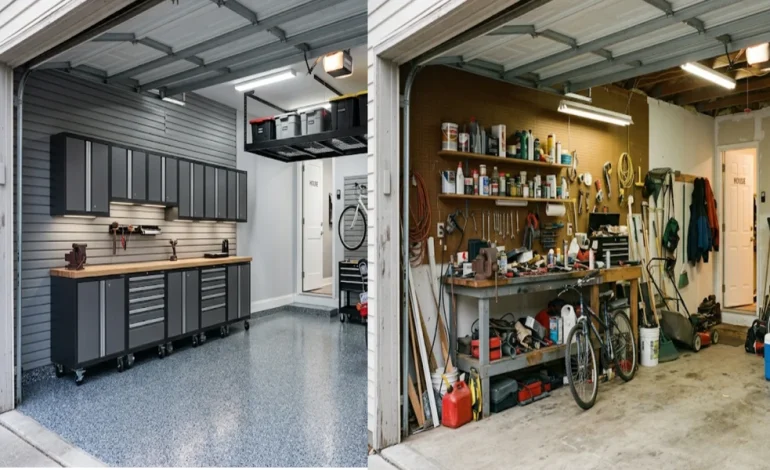

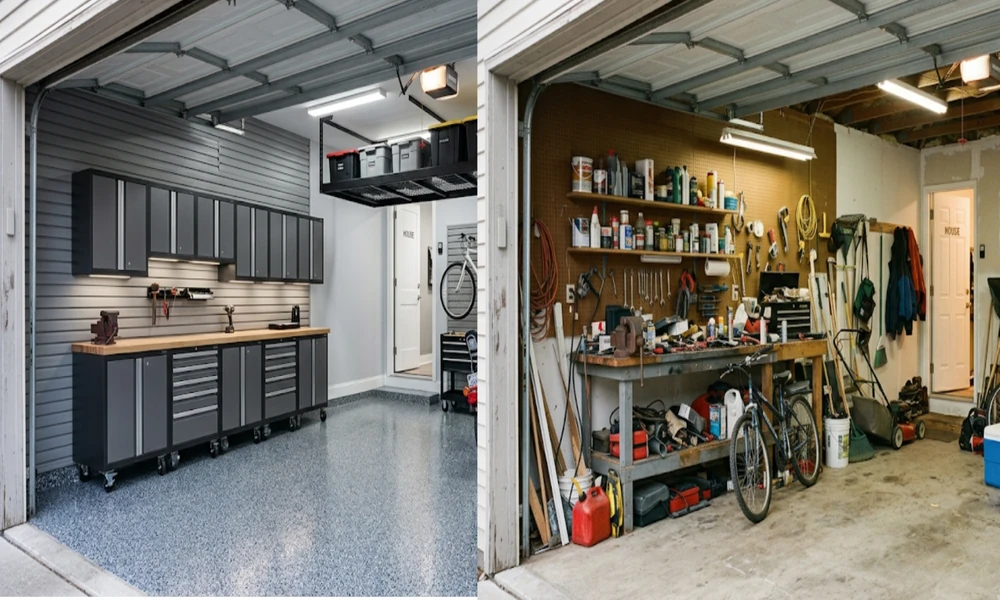
For many homeowners, the garage starts out as a place to park the cars and store a few tools. A few years later, it can look completely different. Cardboard boxes fill the corners, bikes lean against the walls, tools end up wherever there is an empty spot, and the concrete floor collects stains and dirt.
In Dallas, garages also have to deal with hot summers, dust, rain, and plenty of everyday wear. If your garage has become more of a storage room than a usable part of the home, a well-planned renovation can make a noticeable difference.
A garage renovation Dallas homeowners can actually enjoy does not have to mean rebuilding the entire space. The biggest improvements usually come from combining a durable floor, better storage, improved lighting, and a layout that fits the way the garage is used.
1. Start With Decluttering and Planning
Before installing anything, clear out as much of the garage as possible. This is the best time to decide what you actually need.
Separate your belongings into things to keep, donate, sell, recycle, or throw away. Be realistic about items that have not been used in years. There is little point in investing in a new storage system if it simply gives old clutter a nicer place to sit.
Once the garage is clear, measure the space. Take note of the width and depth, ceiling height, doors, windows, electrical outlets, and garage door hardware.
Think about how you want to use the space. Do you need room for two vehicles? Do you work on cars or projects? Do you need storage for bikes, lawn equipment, sports gear, or holiday decorations?
These questions should guide the renovation rather than choosing products first and trying to make them fit afterward.
2. Upgrade the Concrete Floor
The floor is one of the first things people notice when they walk into a renovated garage. Old concrete can have oil stains, tire marks, cracks, and years of accumulated dirt.
A professional floor coating can give the garage a cleaner appearance while making the surface easier to maintain. Epoxy, polyurea, and polyaspartic systems are commonly used for residential garage floors, and different systems have different characteristics.
Polyaspartic coatings are popular because they cure quickly and offer good resistance to UV exposure. Many professional systems combine a base coat with decorative flakes and a protective topcoat.
The preparation underneath the coating is just as important as the coating itself. Concrete may need to be mechanically ground to remove contaminants and create a surface that allows the new system to bond properly.
Before getting a quote, ask what preparation is included. If the concrete has cracks, damaged areas, or an old coating, find out how those issues will be handled.
3. Plan Storage Around the Way You Use the Garage
Once the floor is taken care of, the next priority should be getting clutter off the ground.
Steel cabinets are a good option for tools, automotive supplies, cleaning products, and other belongings that you would rather keep behind closed doors. They can also make the garage look much more organized without requiring everything to be perfectly arranged on open shelves.
Slatwall systems are useful for items you want to access regularly. Hooks and accessories can hold bicycles, garden tools, extension cords, sports equipment, and other frequently used items.
Try to organize storage by frequency of use. Items you reach for every week should be easy to access, while seasonal belongings can go into higher cabinets or overhead storage.
If you are planning a larger renovation that combines storage and organization, you can see examples of Orga Spaces home organization solutions designed around the garage as a whole.
4. Make Use of Overhead Storage
The ceiling is one of the most overlooked areas in a garage.
Overhead racks can provide valuable storage for things you only need occasionally, such as Christmas decorations, camping equipment, luggage, and seasonal items. Moving these belongings off the floor can make a surprisingly large difference.
Before installing an overhead rack, check the clearance carefully. Make sure it will not interfere with the garage door or prevent you from opening the trunk or tailgate of your vehicle.
Pay attention to the weight rating as well. Store heavier items only where the rack and mounting system are designed to handle them, and follow the manufacturer’s installation instructions.
The goal is to use otherwise wasted space without creating another difficult-to-manage storage area.
5. Improve Lighting and the Overall Finish
A garage can have excellent storage and flooring and still feel unfinished if the lighting is poor.
Replacing a single dim fixture with multiple LED fixtures can make the garage much easier to use. Better lighting helps when working on projects, finding tools, cleaning the floor, or simply getting in and out of the vehicles.
Fresh paint is another relatively simple improvement. Light-colored walls can make the space feel brighter, while a consistent color scheme can help the flooring, cabinets, and wall storage feel like part of the same design.
Consider adding smaller features based on your needs. A workbench can create a dedicated project area. Wall-mounted charging stations can keep batteries and cords organized. Hooks near the garage entrance can provide a convenient place for frequently used items.
These details do not have to be expensive. They just need to solve an actual problem.
6. Plan the Project as One Space
One of the biggest mistakes homeowners make is treating every garage improvement as a separate project.
For example, installing cabinets without considering where the vehicles will park can reduce usable space. Adding overhead storage without checking the garage door clearance can create another problem. Choosing a floor color without considering the cabinets and walls can make the finished space feel disconnected.
Instead, think about the garage as one space from the beginning.
Decide where the vehicles, storage, work areas, and frequently used equipment will go. Then choose flooring, cabinets, lighting, and other finishes around that layout.
If you are looking for more ideas and examples for planning the overall project, you can read more here.
A successful garage renovation does not have to turn the space into something extravagant. The most useful improvements are usually practical ones: getting rid of unnecessary clutter, protecting the concrete floor, adding storage where it makes sense, using the ceiling efficiently, and improving the lighting. When those elements are planned together, the garage becomes easier to keep organized and much more useful as part of the home.