Can a Mild Climate Wear Out Your HVAC Faster?

Most homeowners on the South Coast assume their heating and cooling equipment lives an easy life. The furnace fires up on a handful of chilly winter evenings, the air conditioner (if there is one) wakes for a few hot weeks, and the rest of the year everything sits untouched. Compared with a system in Fresno or Reno, that sounds like early retirement.
The reality is less comfortable. Equipment that runs rarely still ages, and the coast adds a few stresses of its own that inland systems never face. Salt, fog, months of idleness and the occasional burst of extreme heat combine into a wear pattern that catches plenty of people off guard, usually on the one day they need the system most.
That mismatch between how little a coastal system runs and how much attention it still needs is familiar territory for crockerair.com, a family business that has been providing hvac services in Santa Barbra since 1980. Working out of Ekwill Street with Goleta and Carpinteria inside the same service area, the team installs and services Carrier equipment as a factory authorized dealer and handles everything from older furnaces to ductless heat pumps.
Salt and Fog Do Their Work Year Round
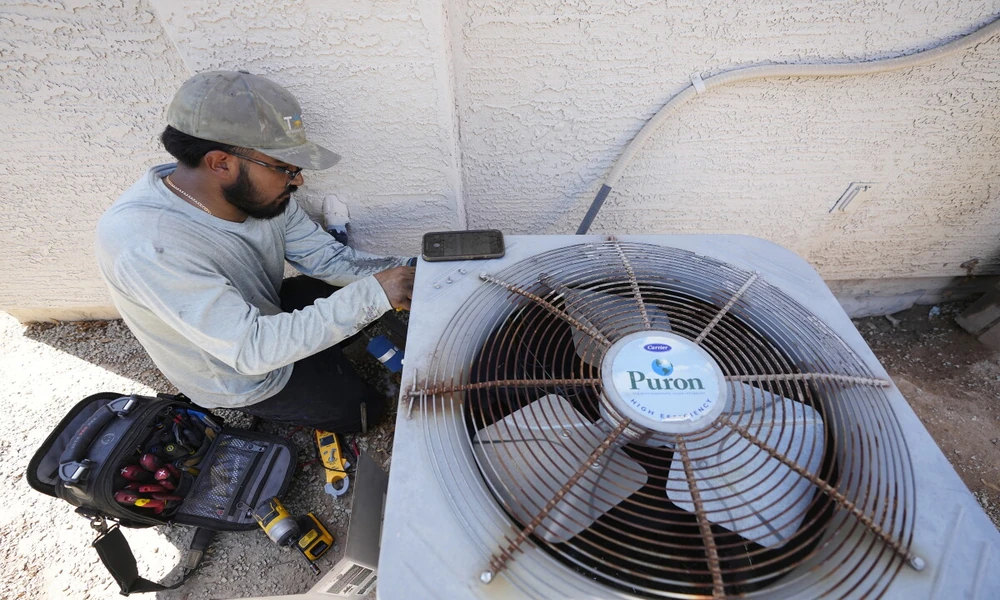
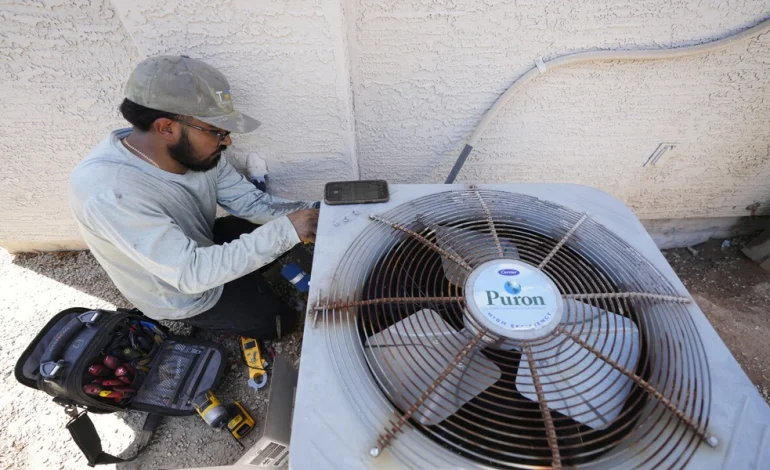
Ocean air carries chloride, and chloride is hard on the aluminum fins and copper tubing inside an outdoor condenser. Over time the fins turn chalky and crumble, the coil loses its ability to shed heat, and tiny pits can eventually open into refrigerant leaks. Homes within a mile or so of the water see this fastest, especially when the unit faces the prevailing breeze.
Then comes the marine layer. The damp mornings of May and June keep moisture hanging around crawlspaces and side yards, where many furnaces and air handlers live. Rust creeps across cabinet panels, electrical terminals corrode, and mildew can settle into duct insulation. None of this needs the system to be running. It happens whether the thermostat is touched or not.
The Hidden Cost of Sitting Still
Long idle stretches create their own problems, and they tend to show up all at once.
Parts age on the calendar. Capacitors, the small cylinders that help motors start, lose strength with time and heat regardless of how often they are used. A weak one can hold out for months and then fail on the first hot afternoon.
Small leaks go unnoticed. A system that cools for only a few weeks a year can lose refrigerant slowly for several seasons before anyone feels a difference. By the time the air coming out of the vents feels lukewarm, the compressor may already be working under strain.
Critters move in. Rodents chew wiring and nest in duct insulation, and ants are oddly attracted to electrical contacts, sometimes packing a contactor so tightly that it can no longer close.
Dust settles on burners. That familiar burning smell on the first cold night is dust cooking off, which is mostly harmless. A flame sensor coated in grime is another matter, because it can make the furnace light and shut off over and over.
What a Coastal Tune-Up Should Actually Cover
A quick filter swap and a glance at the thermostat won’t catch most of the problems above. A visit worth paying for on this stretch of coast should include the following.
- A close look at the outdoor coil for salt damage, followed by a gentle freshwater rinse rather than a pressure washer that flattens fins
- A capacitor test that compares its actual reading with its rated value, so a weak one gets replaced before it fails
- Inspection of the contactor and wiring for pitting, corrosion, insects and chewed insulation
- Refrigerant pressure and temperature checks that can reveal a slow leak long before comfort suffers
- Cleaning the flame sensor and burners, inspecting the heat exchanger for cracks, and testing for carbon monoxide
- Clearing the condensate line and drain pan, which collect algae in damp months
Timing matters too. A furnace-only home can usually get by with one visit in early fall, before the first cold snap. A heat pump works in both seasons, so splitting care between spring and fall keeps it ready for whichever surprise arrives first.
When the Sundowners Arrive
Santa Barbara’s sundowner winds are the wild card. These hot, dry gusts roll down the Santa Ynez Mountains, often in the late afternoon or evening, and can push temperatures from pleasant to scorching within hours. A system that has idled for months suddenly faces its hardest workload of the year, and every weak capacitor and low charge in the neighborhood reveals itself on the same evening. Service lines fill up fast on those days, which is the strongest argument for finding problems in spring.
Oversizing makes things worse. Many older local homes carry equipment chosen by rule of thumb rather than a proper load calculation. In a mild climate, an oversized unit satisfies the thermostat in a few minutes and shuts off, then repeats the cycle all day. Those frequent starts wear out igniters, compressors and relays far faster than steady operation would, and short cycles do a poor job of pulling moisture from the air.
Deciding Between Another Repair and a Fresh Start
Eventually every system reaches a point where repairs stop making sense. Age is one signal, but on the coast the condition of the outdoor coil often decides things sooner. A badly corroded coil on a unit older than about fifteen years rarely justifies a costly fix.
Refrigerant now plays a bigger role in that decision. Under federal rules phasing down high-impact refrigerants, new residential systems have shifted away from R-410A toward lower-impact options such as R-454B. Older units still running on R-410A can be repaired, though charging them may grow more expensive as supplies tighten. Systems old enough to use R-22 are best treated as candidates for replacement.
For many homes here, the replacement conversation now leads to a heat pump. Winters rarely dip near freezing, which is exactly where heat pumps run most efficiently, and a single unit adds cooling to houses that never had it. Coastal-rated models with protective coil coatings are worth asking about for homes close to the water. California also funds a range of rebates for heat pump upgrades, and the incentives center run by The Switch Is On lays out which programs are currently open and who qualifies. Any replacement will require a permit and state energy code verification, so building that into the timeline avoids surprises.
A mild climate is a gift, but it lulls people into ignoring equipment that is still aging quietly in the side yard. Treating salt, damp air and long idle months as real stresses, and planning around the sudden heat that sundowners bring, is what keeps a coastal system ready when it finally gets called on.