A Seasonal Roof Checkup for Homeowners
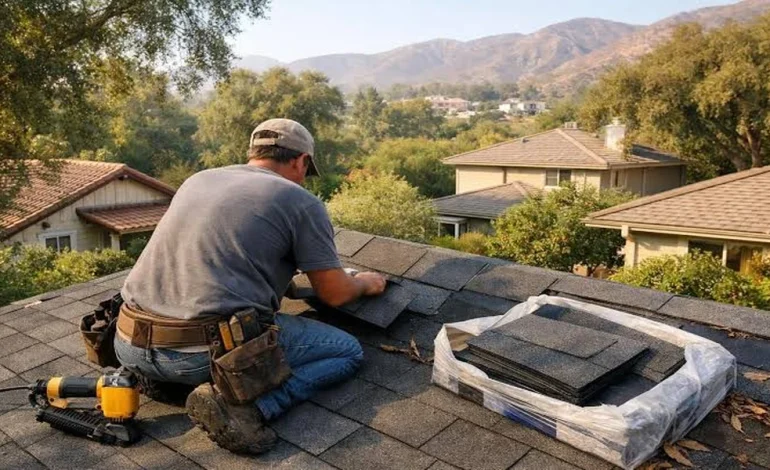

Most people look at their roof only when something goes wrong: a brown stain on the ceiling, a shingle in the yard, a drip during a thunderstorm. By then, the damage has usually been building for a while. A quick, regular look costs nothing and tends to catch small problems while they are still small.
A roofing company such as Allied Roofing, which lists free inspections and estimates on its website, can give you a professional opinion whenever you want one. Between those visits, a simple routine of your own is worth having. Here is a walk around the house, from the outside in.
When to Look
State Farm covers this in its guide to roof maintenance for your home. It suggests inspecting the roof at least twice a year, in fall and spring. It also says to do any maintenance on dry days, which makes damage easier to spot and helps prevent slipping.
For most homeowners, the safest way to look at a roof is from the ground, with binoculars if you have them, and not by climbing up. That suggestion is general safety advice, not a quote from the guide.
What the Shingles Can Tell You
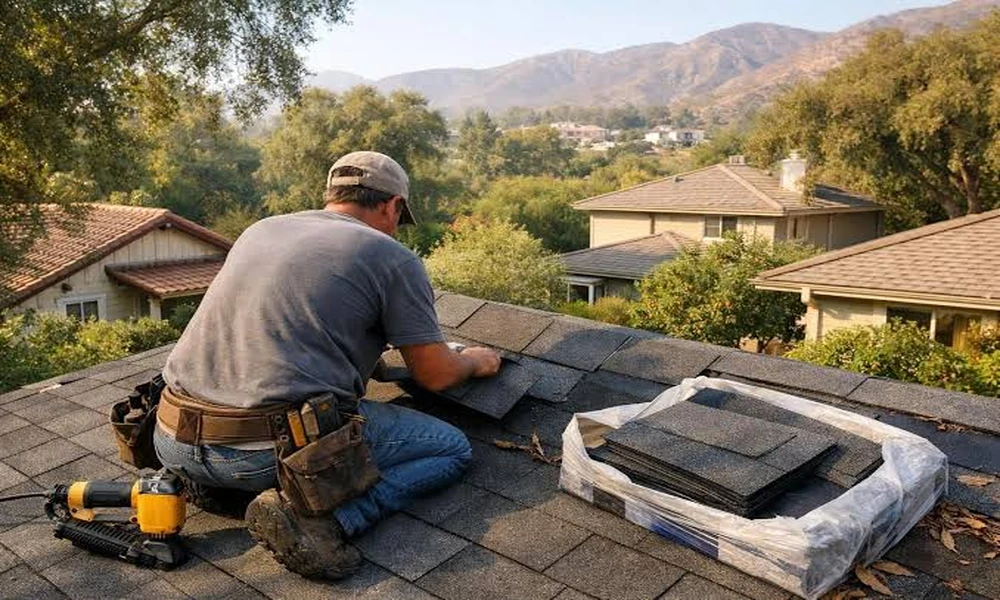
The guide says to look for missing, curling, cracked or broken shingles and to check the valleys where two roof slopes meet. It also lists blisters and algae stains as things to watch for. On low-pitched roofs, pooling water can point to a drainage problem.
The Clue in the Gutters
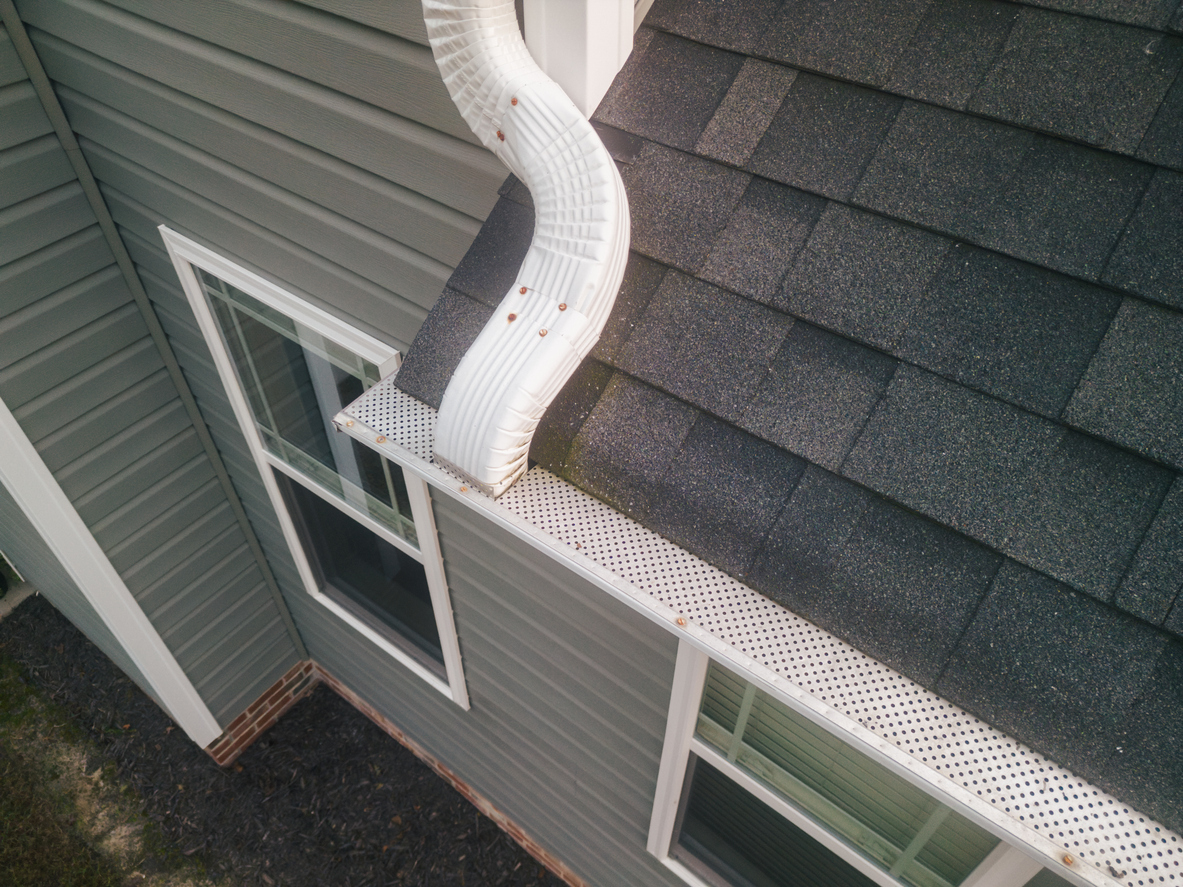
A glance at the gutters can reveal what the roof is shedding. The guide says to watch for excessive granule loss in the gutters, which are the small grit-like pieces that cover the surface of asphalt shingles. While you are there, it recommends clearing leaves, twigs and debris so that moisture does not get trapped against the roof edge.
Flashing Around the Edges and Openings
Flashing, the thin metal or membrane around vents and chimneys, is where many leaks begin. The guide says flashing around vents and chimneys should be intact. A strip that has lifted, cracked or pulled away is worth pointing out to a professional.
The Trees Next Door
The guide advises trimming branches and vines near the roof. Doing so reduces debris and moisture retention and keeps rodents from using branches to get to the roof. Overhanging limbs are a common source of dropped leaves and, in a storm, of damage.
Then Go Up to the Attic
The attic shows what the roof has been letting through. The guide says to look for leak stains on rafters and decking, and for mold, which it says often points to poor ventilation. It also says to make sure the vents are not blocked by insulation or stored items and that the insulation on the attic floor is continuous.
It adds a warning worth remembering: sagging decking or broken rafters may have been badly damaged by consistent, long-term leaking. Those are signs to call someone promptly and not to wait for the next season’s check.
Where Do-It-Yourself Ends
The guide recommends hiring a professional to clean off algae, since it can damage shingles over time. If you find damaged shingles or signs of wear, it says to ask a roofing professional to inspect the roof and determine whether it needs to be replaced. A note to yourself with dates and photos of what you saw gives that professional a head start.
About the Company Behind the Link
Allied Roofing says on its website that it provides residential and commercial roofing, including emergency service, new installations, repairs and replacements. Listed materials include asphalt shingle, metal and TPO roofing, and it lists flashing, leak and storm-damage repairs. The site gives an address in Monroe, Louisiana, names West Monroe, Shreveport, Alexandria and Delhi among the areas it serves, and says inspections and estimates are free. It claims 23 years of Louisiana roofing experience, BBB accreditation since 2006, and that it is completely licensed and insured. It gives no license number and does not mention warranties.