Year-Round Pool Maintenance Best Practices for UK Pools

Maintaining a swimming oasis in the unpredictable climate of the United Kingdom requires careful planning and consistent effort. This comprehensive guide provides essential strategies for keeping your water clean and your structure in top shape. Whether you’re a new owner or have years of experience, understanding the nuances of pool care is crucial.
Owning a pool means committing to its upkeep throughout the seasons. With proper attention, you can avoid common pitfalls that arise from the unique British weather. Our guide covers everything from basic water chemistry to long-term care for your filtration systems.
We aim to simplify the complexities of pool ownership, ensuring that your swimming experience remains enjoyable rather than stressful. By following these professional recommendations, you can protect your investment and extend its lifespan significantly.
Key Takeaways
- Essential strategies for maintaining a pristine swimming environment.
- Understanding water chemistry is vital for effective care.
- Regular upkeep helps avoid issues caused by changing weather.
- Planning is crucial for successful maintenance routines.
- Knowledge of filtration systems ensures long-term functionality.
Introduction to Year-Round Pool Maintenance Best Practices
Keeping a swimming sanctuary thriving amid the UK’s ever-changing weather demands meticulous attention and ongoing effort. The benefits of consistent upkeep cannot be overstated. Regular care not only ensures a safe environment for swimmers but also helps avoid costly repairs down the line.
In the UK, the combination of rain, frost, and damp conditions presents unique challenges. These factors can lead to cloudy water or damage to equipment if not addressed promptly. By maintaining balanced water chemistry throughout the colder months, pool owners can prevent algae growth and protect their investment.
Moreover, removing debris like leaves and pollen is essential, especially in suburban areas. Understanding the impact of local weather allows for a tailored maintenance schedule, ensuring the pool remains in optimal condition year-round.
“Consistent care is the most effective way to extend the life of your pool.”
Seasonal Strategies for Pool Care in the UK
Navigating the complexities of pool upkeep in the UK’s variable climate calls for strategic planning and dedicated effort. Each season brings its own challenges and opportunities for maintaining a pristine swimming environment.
Spring & Summer: Pristine Water and Active Use
During spring, it is essential to inspect your equipment, including the pump and filter system. This ensures everything functions correctly as you prepare for increased use. Regular testing of the water is crucial during summer to maintain a proper chemical balance, preventing skin irritation for swimmers.
Fall & Winter: Preventive Measures and Winterization
As autumn arrives, focus on clearing organic debris like leaves to prevent decay that can affect water chemistry. Winterizing your setup is vital; drain plumbing lines to avoid damage from freezing temperatures. A high-quality pool cover will protect against debris and help retain heat.
“Proper seasonal care is the key to a long-lasting and enjoyable swimming experience.”
| Season | Key Actions | Focus Areas |
|---|---|---|
| Spring | Inspect equipment, shock water | Water chemistry, debris removal |
| Summer | Test water, clean regularly | Chemical balance, swimmer safety |
| Fall | Clear debris, check equipment | Water quality, winter prep |
| Winter | Drain plumbing, cover pool | Prevent freezing, protect structure |
Key Elements of Effective Pool Maintenance
Ensuring the longevity and clarity of your swimming area involves a combination of regular checks and dedicated care. A well-maintained pool not only looks inviting but also provides a safe environment for all swimmers.
Regular inspections of equipment are essential. Platinum Pools of Central Florida emphasizes the importance of these checks to prevent costly long-term repairs. Here are some key components to focus on:
- The filtration system is the heart of your pool. Regular backwashing keeps it running efficiently.
- Consistent cleaning routines, such as brushing walls and vacuuming the floor, are vital for removing settled debris.
- Your pump system should be checked monthly to ensure proper water circulation, crucial for preventing algae growth.
- Maintaining equipment in good condition helps avoid premature replacement of expensive components.
- Regular cleaning routines allow for spotting potential issues before they escalate.
- During the winter season, running your pump periodically prevents stagnation and maintains water safety.
- Understanding how each piece of equipment contributes to overall water health is key.
By integrating these elements into your weekly schedule, you can ensure that your pool remains a safe and enjoyable environment for everyone.
| Equipment | Recommended Action | Frequency |
|---|---|---|
| Filtration System | Backwash | Weekly |
| Cleaning | Brush & Vacuum | Twice a week |
| Pump | Check Circulation | Monthly |
| Water Chemistry | Test & Balance | Weekly |
Year-Round Pool Maintenance Best Practices
Successfully managing a swimming area in the UK requires diligence and a thoughtful approach. Establishing a routine checklist is a great way to stay organized. This ensures that no aspect of care is overlooked throughout the year.
Adjusting your maintenance to suit UK weather variations is crucial. For instance, during the summer, you should increase your testing frequency as the pool sees more use. A well-maintained cover is also essential. It keeps the water clean and minimizes debris entry.
In spring, focus on deep cleaning and balancing the chemicals to prepare for swimming season. Monitoring the water level is a simple yet critical task. This prevents your pump from running dry, avoiding significant equipment damage.
By following a consistent guide, you can effectively manage your pool care, even with the unpredictable UK weather. Regular checks of your pool walls and filtration systems will help maintain a crystal-clear environment for family and friends.
Establishing a routine is the best way to ensure that your pool remains a source of joy rather than a constant source of maintenance.
Expert Advice and Local Insights for UK Pool Owners
Expert guidance is essential for maintaining a healthy swimming environment, especially in the UK’s unpredictable climate. Professional insights can help you optimize your care routine, ensuring that your systems operate efficiently.
Platinum Pools emphasizes the importance of professional inspections. These assessments can identify potential issues before they escalate into costly repairs. For instance, having a team like Shoreline Pools conduct an annual inspection can save you money by spotting early signs of damage.
Regular checks are vital for a long-lasting setup. During the winter, professional inspections ensure your equipment is winterized and protected against freezing temperatures. Most common issues can be prevented through consistent care.
By scheduling a professional inspection, you gain peace of mind knowing that your equipment is safe and functioning correctly. Even minor repairs should be addressed immediately to avoid larger problems down the line.
| Service | Description | Contact |
|---|---|---|
| Shoreline Pools | Professional inspections to identify potential problems | (203) 357-1544 |
| Platinum Pools | Expert tips for optimizing pool care | N/A |
| Annual Inspection | Preventative maintenance for your swimming area | N/A |
Essential Tools and Equipment for Optimal Pool Care
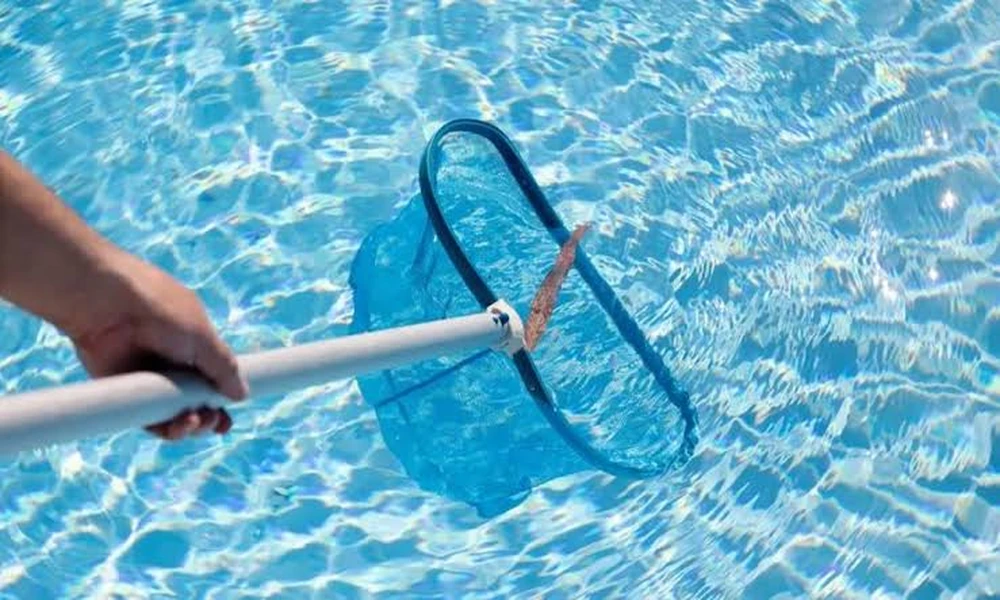
Utilizing quality tools is essential for effective care of your aquatic space, especially in the UK’s changing climate. Having the right equipment on hand can simplify your efforts in keeping your swimming area pristine and well-maintained.
Platinum Pools of Central Florida recommends investing in high-quality pool covers to protect your water from debris and UV damage. A reliable pump is crucial, as it ensures proper circulation and filtration of the water.
Using the right chemicals is vital for maintaining pool water chemistry and preventing harmful algae growth. A comprehensive guide to pool care should include the use of a vacuum and brush to keep your pool walls and floors clean.
Additionally, selecting the correct pool cover can significantly reduce energy costs by helping to retain heat during cooler summer nights. Proper maintenance of your filter system is critical, as it removes impurities and keeps your pool water safe for all swimmers.
Regularly testing your alkalinity and chlorine levels is a fundamental part of the care required to keep your pool in optimal condition. By using the right tools, you can ensure that your pool remains a sparkling oasis all year long.
Maintaining Pool Chemistry and Preventing Algae Growth
Regular monitoring of water chemistry is vital for ensuring a safe swimming experience. Keeping your pool water balanced not only enhances clarity but also prevents algae growth. The pH levels should be maintained between 7.2 and 7.6 to ensure the effectiveness of sanitizers and the comfort of swimmers.
Chlorine levels should remain between 1.0 and 3.0 ppm. This range effectively sanitizes the water and inhibits algae development. To achieve this, testing your pool water at least once a week is essential.
Balancing Chemicals and Regular Testing
Shock treatments are a necessary part of your routine. They provide a deep clean that eliminates bacteria and clears up cloudy water. A well-functioning filter system is crucial for removing debris that can contribute to algae growth and poor water quality.
Using Proper Sanitizer & Shock Treatments
If you notice green water, it often signals poor circulation or an imbalance in your pool chemistry that requires immediate attention. Keeping your pool walls clean by brushing them regularly helps prevent algae from taking hold in the corners and crevices.
Proper use of a sanitizer, such as chlorine, is the foundation of a healthy pool. By staying on top of your chemical balance, you can avoid the need for harsh treatments and keep your pool water crystal clear.
Conclusion
Consistent care is the ultimate secret to enjoying a clean and safe swimming area throughout the changing seasons in the UK. By following this guide, owners can effectively manage their upkeep, from winterizing the pump to balancing chemicals during the summer.
Proactive care helps avoid costly repairs and ensures that the pool remains a relaxing retreat for family and friends. Regular testing and cleaning are crucial habits for keeping the water healthy and free from algae.
Whether preparing for spring or closing for winter, these strategies will help protect your investment. Investing time in your pool today will save you from major issues and equipment damage in the future.
Enjoy the peace of mind that comes with a well-maintained swimming area, knowing that you have taken the necessary steps to keep it perfect all year.