Which Entry Door Trade-Offs Matter Most in Tulsa?

An entry door in Tulsa has to manage more than curb appeal. Summer heat, strong sun, severe thunderstorms, hail, high winds, winter cold snaps, and wide seasonal temperature swings all affect how a door, frame, threshold, weatherstripping, and glazing perform over time. National Weather Service climate data shows Tulsa averages highs above 93°F in July and August, while winter averages fall much lower, creating repeated expansion and contraction cycles that can expose weak seals and poorly fitted components.
Homeowners comparing Tulsa entry door systems can use Green Country Windows for entry door installation as well as vinyl replacement windows and sliding patio doors throughout Tulsa and surrounding Northeast Oklahoma communities. The company lists service across Tulsa County and neighboring counties, including communities such as Broken Arrow, Jenks, Owasso, Bixby, Claremore, Coweta, and other nearby areas. Because entry doors are installed alongside window and patio-door projects, homeowners can also evaluate whether drafts and comfort problems come from one opening or from several aging exterior components at once.
Fiberglass Versus Steel
Fiberglass favors stability. Fiberglass entry doors are popular in climates with moisture and temperature swings because they resist many of the warping, rotting, and swelling problems associated with poorly maintained wood. That makes them attractive for Tulsa homes exposed to hot summers, humid periods, thunderstorms, and winter freezes.
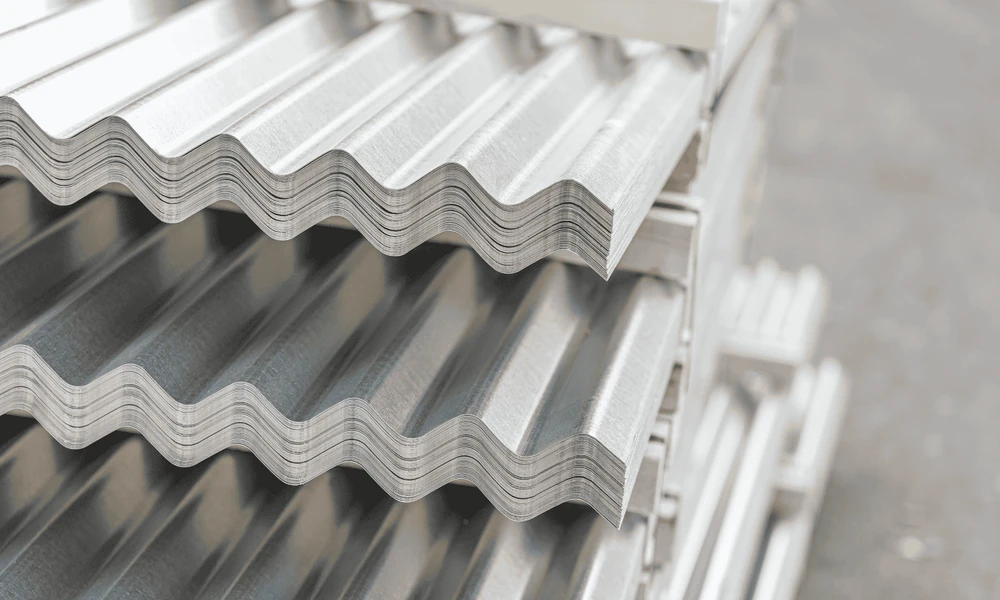
Steel favors rigidity and value. Steel doors can provide excellent structural strength and security at a comparatively accessible price point. They also accept insulated cores and modern weather seals well. Their trade-off is surface vulnerability. A damaged coating or deep dent can expose steel to corrosion, while cosmetic hail impacts may be more noticeable depending on panel design and finish.
Fiberglass versus steel in practice: fiberglass generally gives homeowners more freedom to prioritize moisture resistance, textured finishes, and lower cosmetic maintenance, while steel often appeals to buyers who place greater weight on firmness, security, and initial cost.
Neither material compensates for a badly fitted frame. Even a well-insulated slab can perform poorly if daylight is visible around the perimeter, the threshold does not seal evenly, or the jamb is twisted.
More Glass Versus Better Thermal Control
Decorative glass can completely change an entryway, but every increase in glazed area introduces another performance decision.
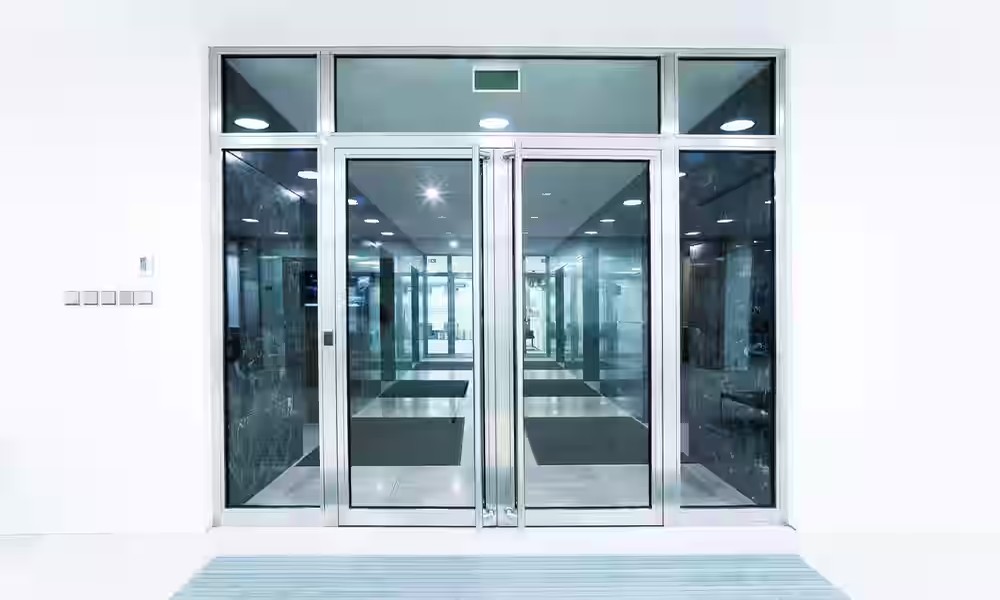
More glass means more daylight. Full-view or large decorative inserts brighten foyers and can make a front elevation feel less closed off. Sidelights provide a similar benefit without taking up as much of the door slab.
Less glass usually simplifies thermal performance. A mostly solid insulated door generally has fewer glazed areas through which heat can move. In Tulsa’s hot summers, solar gain through west-facing or south-facing glass can also matter.
This is where U-factor and Solar Heat Gain Coefficient become useful rather than treating “energy efficient” as a vague label. ENERGY STAR explains that doors are evaluated according to U-factor and, when glazing is present, SHGC, with requirements varying by climate zone and by how much glass the door contains. Lower U-factor indicates less heat transfer, while SHGC describes how much solar heat passes through the glazed portion.
More daylight versus lower heat gain: the right balance depends heavily on orientation. A shaded north-facing entry can tolerate glass differently from an exposed west-facing doorway that receives intense afternoon sun.
Decorative glass versus privacy: textured and obscured glass can preserve daylight without leaving the foyer fully visible from outside.
Larger glass area versus storm exposure: larger inserts also increase the amount of glazing exposed to wind-driven debris and hail, so product specifications and local exposure conditions deserve attention.
Security Versus Convenience
Modern entry systems offer a wider range of hardware than older doors, from conventional deadbolts to keyless and smart locking systems.
Traditional deadbolts favor simplicity. Mechanical locks have fewer electronics and are familiar to virtually every homeowner.
Keyless systems favor access control. Keypads and smart locks can eliminate hidden spare keys and make it easier to manage family, contractor, or guest access.
The more important security issue, however, is often the system around the lock.
Strong lock versus weak jamb: a premium deadbolt installed into a deteriorated jamb still leaves a weak point.
Heavy door versus poor strike attachment: the slab may be durable, but the strike plate and its connection into framing matter when resisting forced entry.
Convenience versus power dependence: electronic locks add features but may require battery management and backup entry planning.
A complete door replacement should therefore consider slab construction, jamb condition, strike reinforcement, hinge attachment, threshold fit, and weather sealing together rather than evaluating hardware alone.
Tight Weather Seal Versus Easy Operation
A door needs enough compression against weatherstripping to reduce air and water leakage, but excessive pressure can make operation frustrating.
Tighter seal means fewer drafts. Proper weatherstripping limits uncontrolled air exchange, which is especially valuable during Tulsa’s hottest and coldest periods.
Too much compression means poor usability. A door that has to be slammed or pulled hard to latch may be misaligned rather than exceptionally efficient.
Temperature swings make this balance more important. Tulsa’s long-term records include extreme heat above 110°F and winter lows well below zero, although those are record values rather than normal daily conditions. Such a broad historical range illustrates why exterior assemblies need room to accommodate seasonal movement without losing alignment.
Soft seal versus durable seal: flexible weatherstripping improves contact, but lower-quality material can flatten or crack faster.
Adjustable threshold versus fixed threshold: adjustability can help maintain contact with the door sweep as components settle, but it still needs proper initial installation.
Air control versus water control: stopping drafts does not automatically mean the sill is managing rain correctly. Pan flashing, threshold detailing, exterior sealant, and drainage paths all contribute to moisture protection.
Energy Performance Versus Upfront Price
Entry-door pricing often rises with better insulated cores, advanced glazing, upgraded finishes, reinforced frames, sidelights, transoms, decorative glass, and premium hardware.
The least expensive door can still be appropriate for a protected secondary entrance. A heavily exposed front elevation may justify a different specification.
Lower initial price versus lower long-term heat transfer: an inexpensive door may cost less immediately, while a better insulated and better sealed system can improve comfort around the entry.
Basic glass versus coated glass: low-emissivity coatings can reduce unwanted heat transfer, but they add to product cost.
Standard frame versus complete frame replacement: keeping an old jamb can save money when it is truly sound and square. Replacing it may be more sensible when rot, movement, worn seals, or previous installation problems are already present.
ENERGY STAR notes that certified windows, doors, and skylights can reduce heating and cooling costs compared with non-certified products, although actual savings vary by climate, home, product, and installation quality.
Code Compliance Versus a Simple Swap
Door replacement can appear to be a straightforward home-improvement project, but Tulsa’s permitting framework is broader than many homeowners assume.
The City of Tulsa states that a building permit is typically required when work involves building, remodeling, moving, or repairing windows or doors. It also notes that Tulsa currently operates under its adopted 2018 ICC codes while preparing to transition to the 2024 code set, with city adoption targeted for January 1, 2027. Oklahoma’s statewide 2024 International Residential Code became effective September 14, 2026.
Same-size replacement versus altered opening: swapping a door within an existing opening may involve a simpler scope, while widening, reframing, or structurally altering the opening can trigger additional review.
Product performance versus installation compliance: even a highly rated door can underperform if it is installed out of square, poorly flashed, or inadequately sealed.
State code versus local administration: statewide standards establish minimum requirements, while Tulsa Development Services controls local permitting and plan-review procedures within city limits. Homeowners outside Tulsa proper should check the rules of their own municipality or county rather than assuming city procedures apply.
The right entry door for a Tulsa home is therefore not simply the strongest, cheapest, most insulated, or most decorative option. It is the one that balances exposure, orientation, security expectations, glass area, frame condition, weather sealing, maintenance tolerance, and budget.
For some homes, that balance points toward fiberglass with modest glazing. For others, steel with reinforced hardware and a mostly solid panel makes more sense. The most reliable decision comes from comparing those trade-offs as a complete system instead of choosing the slab first and treating the frame, threshold, glazing, and installation as secondary details.