How Winter Road Salt Damages Your Outdoor AC Unit (and How to Protect It).
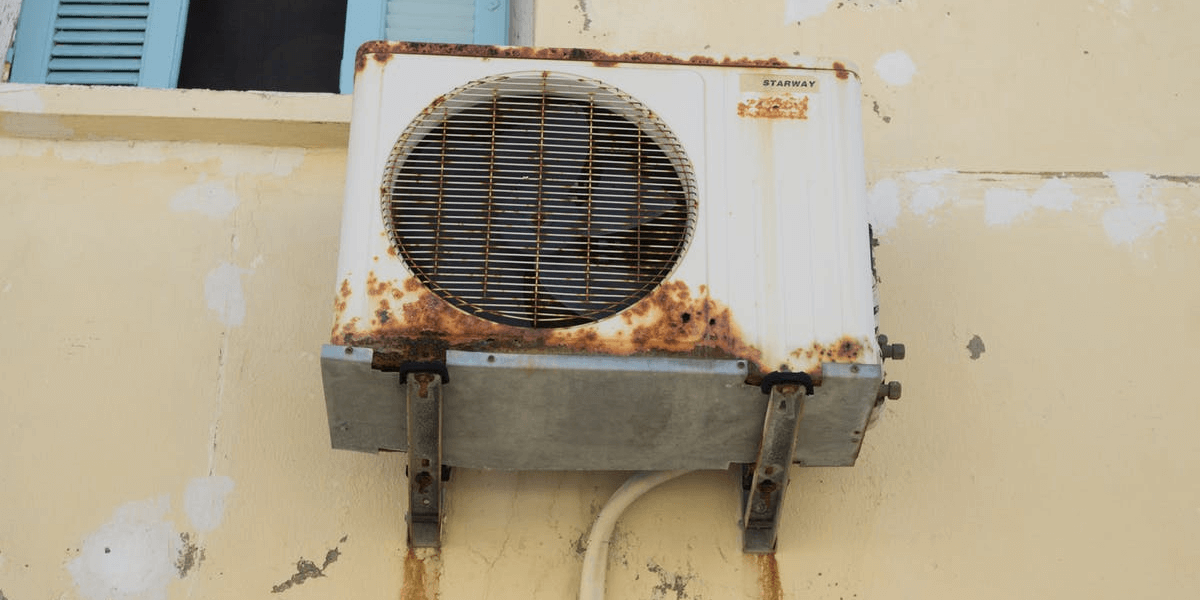

Have you noticed the white, salty dust sitting around everything in Colorado winters? Roads get coated in it, cars splash through it, boots track it inside… but here’s a question most people don’t ask: what about your outdoor AC unit sitting right beside all that salt spray?
Even though summer feels far away while the mountains around Fort Collins are covered in snow, your AC is still outside enduring everything harsh winter brings, including road salt.
Let’s break down what happens and what you can do to stop it.
Why Road Salt Is A Plumbing And HVAC Enemy
You might wonder, salt on an AC? Isn’t that only a road problem? Not really.
Salt particles travel farther than we think. When vehicles move fast on highways like I-25, tiny salt bits get kicked into the air and eventually land on outdoor units. And once they settle on the metal parts, they mix with moisture from snow, frost, or freezing rain. That combination speeds up rust and corrosion.
And what happens after corrosion starts?
- Coils cannot release or absorb heat as well
- The compressor pushes harder to cool the house later
- More pressure equals more stress on expensive parts
So, does your AC stop working instantly? No. It usually keeps running, but silently gets weaker every year, showing the real damage in peak summers.
The Signs You Should Watch For
Ask yourself this:
- Does your unit look rusty at the bottom?
- Do you hear odd hissing or popping sounds in summer?
- Has your cooling power dropped lately?
If the answer is yes, winter damage, including salt corrosion, might have played a role.
Simple Ways To Protect Your AC In Colorado Winters
Now for the big question: What can you do today to protect it? Here are the smartest and simplest steps:
- Rinse your outdoor unit carefully after major snowstorms or salt-heavy road days nearby. Use gentle pressure so the fins stay safe.
- Keep 2 feet of space around the AC so snow piles, leaves, and debris do not block airflow.
- Consider an anti-corrosion coating to protect metal parts, especially for older units.
- Never wrap or fully cover the unit airtight. That traps moisture and makes corrosion worse.
- Schedule annual professional cleaning and inspection to catch corrosion before summer arrives.
Why Business Owners Care, And Homeowners Should Too
Retail owners often know salt destroys outdoor AC units faster, but homeowners overlook it. And up here, the air is already tough on HVAC because of the altitude. Add salt, and the system ages faster.
SWAN Plumbing, Heating & Air Conditioning, Inc. has been helping Colorado homes for years. We know how local weather behaves and how to protect cooling investments so they last longer and run cleaner
Stay safe. Stay comfy. Stay ahead of Colorado weather.