Sloped Rocky Lots Shape Every Deck and Patio Decision
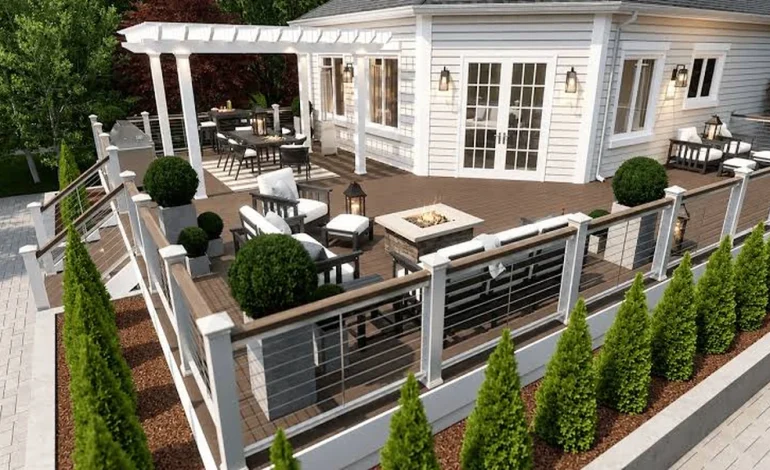

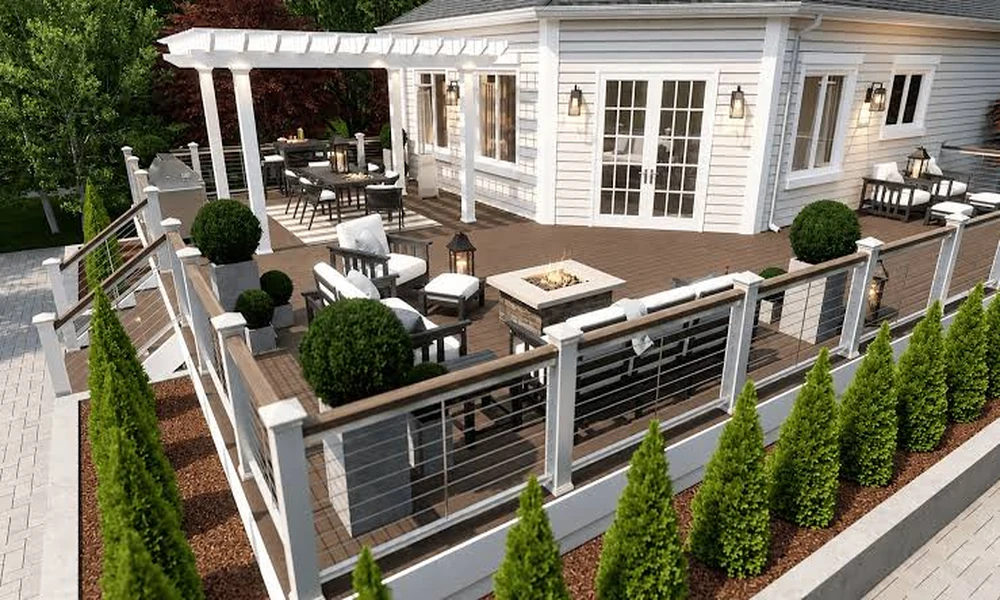
Most backyard plans start with a picture. Someone sees a shaded deck with string lights or a stone patio with a fire pit and wants the same thing behind their own house. The trouble is that the photo never shows what sits under the surface. On hillside lots with thin topsoil over limestone, the ground often has more say in the design than the homeowner does.
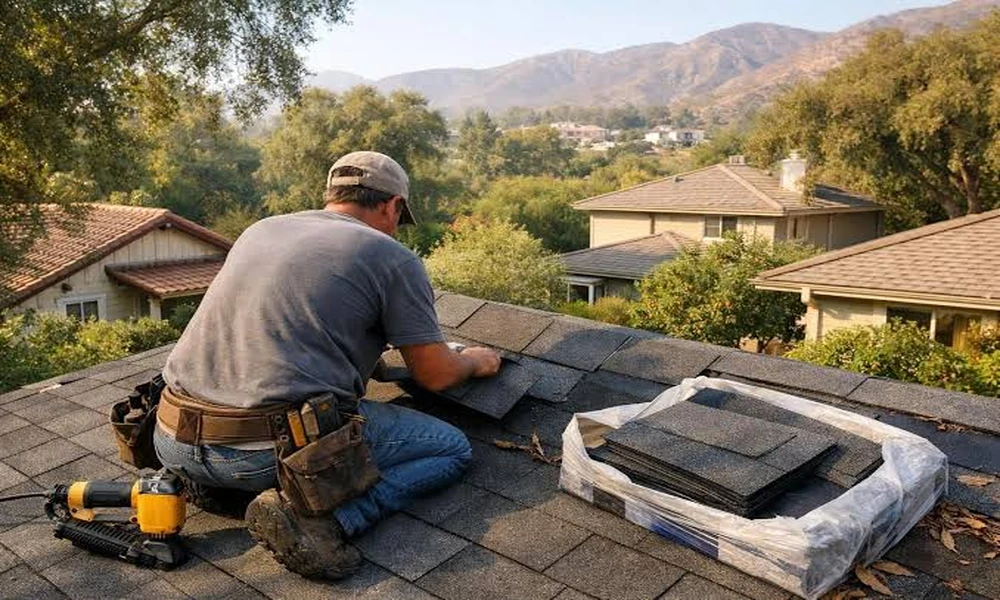
Builders who work on rocky hillside properties, like the crew at Birdseye Pro Construction, usually start these projects by walking the yard with a probe bar instead of a catalog. A few jabs into the soil show whether there are six inches of dirt or two feet before the rock. That one detail can change the budget, the schedule and even whether a deck or a patio makes more sense.
Material choice is still important, but it comes second. Slope, bedrock depth, drainage and summer heat decide what will last. Here is how each of them shapes the decision.
What the Ground Is Telling You
Shallow limestone is both a blessing and a headache. It’s very stable once you reach it, so footings that bear on solid rock rarely settle. Getting there is another matter. A post hole that would take ten minutes in deep soil can take a rotary hammer and an afternoon when rock shows up eight inches down.
Caliche causes its own problems. This hard, chalky layer feels like rock to a shovel, but it can break down when it stays wet. A footing set on caliche that looks solid may shift after a few rainy seasons.
Then there are pockets of expansive clay, often found in low spots and old drainage paths. Clay swells when it’s wet and shrinks during drought. A patio slab poured over it can crack in a pattern that follows the wet and dry seasons almost to the month.
How Slope Tips the Balance
A gentle grade, under a foot of drop across the space, usually favors a patio. Some cut and fill, a compacted base and a small step down from the back door handle it well.
Steeper ground changes things quickly. A patio on a real slope needs a retaining wall on the low side, and retaining walls are among the most expensive things you can build in a backyard. They need drainage behind them, a proper footing and enough mass to hold back saturated soil after a heavy storm.
A deck works the other way. The posts simply get taller as the ground falls away, and the walking surface stays level without moving tons of earth. On steep lots, a deck is often cheaper than a patio, even though decks usually cost more per square foot on flat ground.
Footings That Actually Hold
When posts land on rock, there are a few ways to anchor them:
- Drilling and pinning: Steel pins epoxied into holes in the limestone, with a concrete pier formed around them
- Surface-mounted piers: Concrete poured directly onto cleaned, roughened rock, sometimes keyed into a shallow notch
- Helical piles: Steel shafts screwed into the ground until they hit resistance, useful where soil depth varies a lot across the site
- Standard dug footings: Still the simplest choice where there’s enough soil to reach the required depth
The right method often changes from one corner of the deck to another. One post may sit on bedrock while the next one, six feet away, lands in a clay pocket. Good crews check each footing location on its own instead of assuming the whole yard is the same.
Where Decks Meet the House
Most deck failures don’t start at the footings. They start at the ledger board, where the deck attaches to the house. Water gets behind a poorly flashed ledger, rots the rim joist and the fasteners slowly lose their grip.
The American Wood Council publishes a free prescriptive residential deck construction guide, known as DCA 6. It covers ledger attachment, flashing, joist spans, guard posts and lateral load connections in detail. Many building departments use it as their reference for reviewing deck plans, so it’s worth skimming before you talk to any contractor.
Stucco and stone exteriors make ledger details harder. Stucco has to be cut back neatly and flashed so water can’t get behind the new board. Some designers skip the issue altogether with a freestanding deck that carries its own load on a second beam a few inches from the wall.
Summer Heat Changes the Surface Choice
A deck board or patio stone that feels fine in April can be painful by July. Dark composite boards in full sun get hot enough that bare feet won’t stay on them for long. Lighter colors help. So do newer capped composites made to reflect more heat, but none of them stay as cool as wood in shade.
Pressure-treated pine is affordable but moves a lot as it dries in hot, dry air. Expect checking, cupping and some fastener pop unless the boards are sealed early and kept up. Cedar holds its shape better and smells great, though it gets soft under heavy furniture.
Patios have their own heat issues. Light-colored flagstone and limestone pavers stay surprisingly cool. Stamped concrete in darker tones holds heat well into the evening, which is pleasant in winter and less so in August. Travertine has become popular because it stays comfortable underfoot and drains water through its natural pores.
Water Has to Go Somewhere
Hillside storms bring a lot of water at once. Runoff from higher ground sheets across the yard and finds whatever path is easiest. A patio built across that path acts like a dam unless it’s pitched correctly and given a way to shed water around or through it.
Decks let water fall straight through to the ground below, which sounds simpler. But the soil under a deck still needs to drain away from the house foundation. Otherwise the space under the deck becomes a damp, shaded pocket that invites rot, insects and erosion around the footings.
Trees Deserve a Vote Too
Mature oaks give the shade everyone wants, but their roots spread wide and close to the surface. Excavating for a patio base can cut through major roots and weaken a tree that took decades to grow. Decks are usually kinder to trees, since individual footings can be placed between roots instead of across them.
Oak wilt adds another reason for care. Fresh wounds on oaks can attract the beetles that spread the disease, so pruning and root cutting are best done in the cooler months, when insect activity is low.
Putting It All Together
Neither a deck nor a patio is the right answer in general. A flat, open yard with decent soil depth usually favors a patio for cost and low upkeep. A sloped lot with shallow rock and big trees often points toward a deck, or a mix of both: a raised deck off the kitchen stepping down to a small stone patio at ground level.
The best outdoor spaces on rocky ground are the ones designed around what is already there. Probe the soil, watch where the water runs after a storm and note which corners get afternoon sun. Do that before you choose materials and the project will hold up for many years.