What to Check on Your Roof After Monsoon Season


Arizona’s monsoon season officially runs from June 15 through September 30, and for a few months the roof takes a beating: gusty winds ahead of storms, sudden downpours, flying debris, then blazing sun to bake whatever got wet. The National Weather Service office in Tucson noted in its 2026 monthly reviews that summer thunderstorm activity produced highly variable rainfall across the metro area, with totals between 2 and 6 inches and localized amounts up to 9 inches. Some roofs came through without a mark, and others took damage that isn’t visible yet. October is the right time to find out which kind you have, before a winter storm or next summer tests it again.
You don’t need to climb up there. Here’s how to check, depending on where you’re standing.
From the street
Start with the view most people get every day, and take it in with fresh eyes. Stand across the street, or in the driveway, and look at the roof as a whole. You’re looking for changes: a line that dips or ripples, a patch that’s a different color, a ridge that seems out of line, or anything hanging off the edge. Binoculars help a lot.
On a tile roof, look for tiles that have slipped out of their rows, left gaps, or show cracks. On a shingle roof, look for lifted or creased tabs, missing pieces, and bare spots where granules have worn away. On a flat or low slope roof, look for discolored areas, patches that seem to hold water, or edges where the membrane has pulled loose. Photograph anything that looks different from last spring.
From the yard
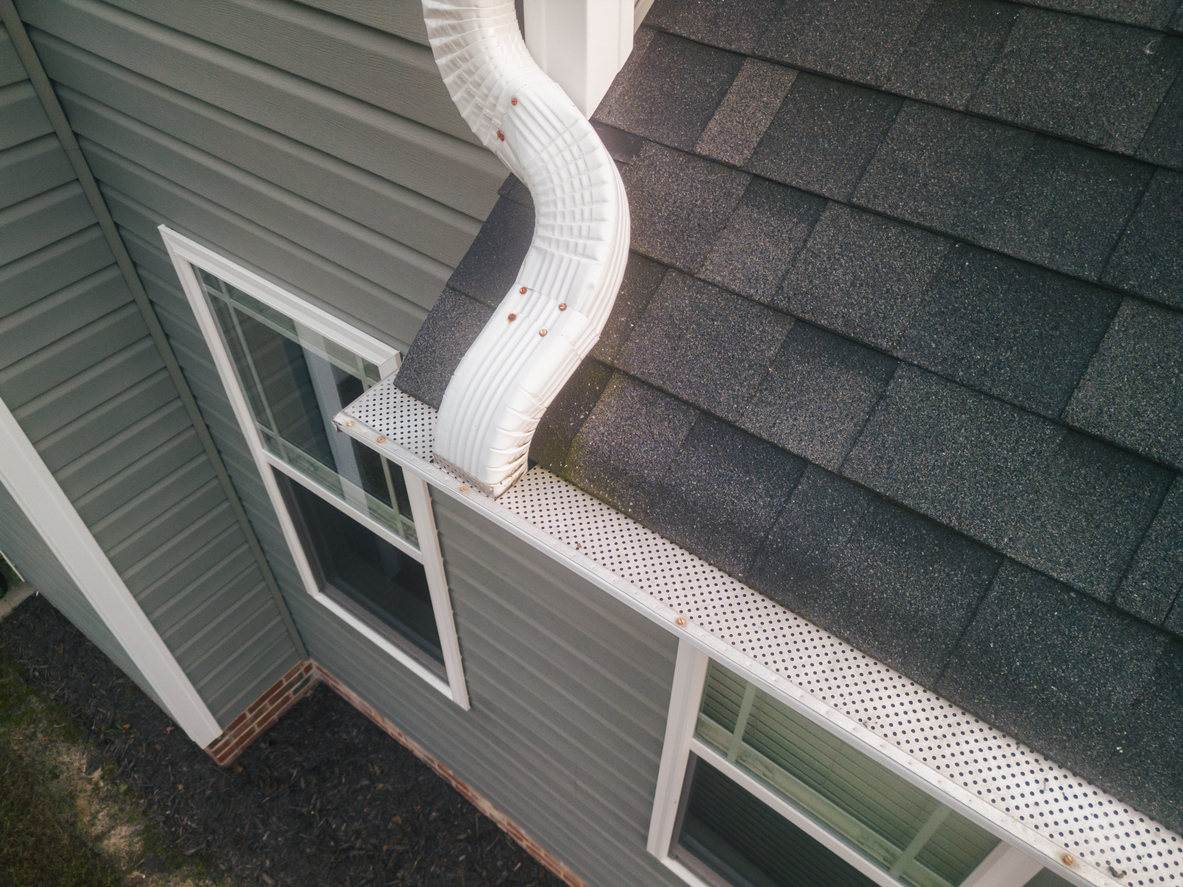
Walk around the house and look at what’s landed on the ground. Pieces of tile, bits of flashing, shingle fragments, and strips of sealant all tell you where something let go. Look at the gutters and downspouts for dents, sagging, and debris, and check the fascia boards and eaves for staining or loose pieces.
If something looks off, a roofer like Zona Roofing Pros can take a closer look from the roof itself, explain what happened, and tell you whether it needs a repair or just watching. Ask for photos of what they find, and ask them to separate urgent items from cosmetic ones. Most roofers will give you an honest answer if you ask a direct question.
Check around anything that pokes through the roof, too. Vents, skylights, chimneys, evaporative cooler stands, and satellite mounts are common leak points, and monsoon winds can loosen them.
From the attic
The attic tells you things the roof surface can’t. Go up on a dry afternoon with a flashlight, and look at the underside of the roof deck. Check for dark stains, wet or compressed insulation, drips, rusty nail tips, and any spot where you can see daylight that shouldn’t be there. A musty smell is a clue as well.
Look at the areas around vents and chimneys especially. And keep in mind that a leak doesn’t always show up under the damaged spot, because water can travel along rafters before it drips.
Inside the house
Walk through each room and look at the ceilings and the tops of the walls. Pale brown rings, bubbling paint, or fresh cracks near the ceiling line are all signs that water got in. Check around windows and under skylights too. If you spot a stain, circle the outline in pencil and write the date. If it grows after the next rain, you’ll know it’s active.
The sun problem
Monsoon rain is only half the story. The heat that follows can make small problems worse. Roof coatings on flat roofs can crack or blister, sealants dry out, and cracks in a membrane open wider in the sun. If your roof has a reflective coating, look for peeling, chalky patches, or areas where water seems to soak in instead of beading. Coatings are meant to protect the surface underneath, and once they fail, the roof is exposed.
When to call a roofer
Call soon if you see slipped or broken tile, lifted shingles, exposed or torn membrane, bubbling or cracking coatings, ceiling stains, or wet insulation. Don’t wait for a second storm to confirm it. Small repairs are cheap compared with replacing a soaked ceiling.
Before anyone goes up there, take a few precautions. Roofs get dangerously hot in the afternoon, so early morning is safer for any inspection. Tile breaks easily underfoot, and walking on it can create new problems, so leave that to people who know how to move across it. If you plan to file an insurance claim, photograph the damage and the date before you touch anything, and report it promptly.
A routine worth keeping
Make this a habit. Check the roof in October after the monsoon and again in spring before the heat arrives. Keep your photos and notes in a folder, so you can compare year to year. If your roof is aging, ask a professional to assess how much life it has left, and plan ahead.
A roof that gets a little attention each year usually lasts longer, costs less to keep up, and rarely surprises its owner. It’s worth an hour on a cool morning.