CRITERIA FOR SELECTING QUICKLY AVAILABLE FIRE WATCH TEAMS

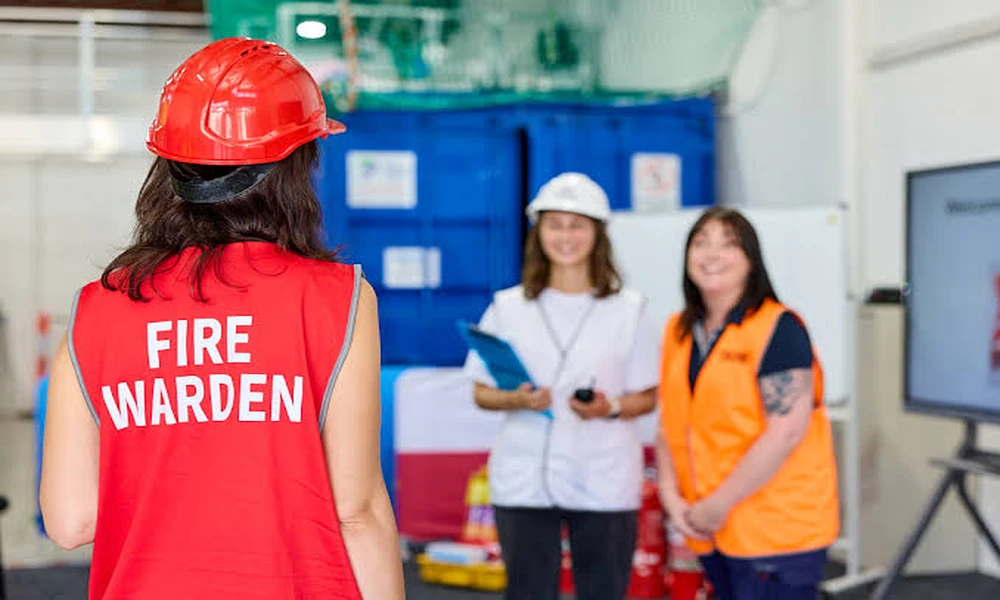
Fire watch teams may be required when hot work is being performed, fire prevention systems are temporarily unavailable, or a site poses a high risk of ignition. Availability is crucial under these circumstances, but expertise should never be sacrificed for speed. A good fire watch team should know its duties, site protocols, and emergency requirements, and be able to respond quickly. When standard safety precautions are restricted, selecting the appropriate staff aids in maintaining efficient monitoring.
When a property needs prompt coverage, searching for fire watch services near me Glendale can help identify teams that are positioned to respond to local fire safety needs. However, quick availability should be considered alongside training, reliability, communication skills, and familiarity with the worksite. Evaluating these factors before assigning a team helps ensure that fast deployment does not come at the expense of effective monitoring and proper emergency preparedness.
2. RELEVANT TRAINING AND KNOWLEDGE
When choosing a fire watch squad, training needs to be one of the top priorities. Employees should be aware of common fire dangers, emergency alert protocols, evacuation plans, and the particular risks related to the task being done. Team members should be aware of the potential risks posed by heat, sparks, and flammable materials when doing hot tasks. Employees with the necessary training are able to identify warning indicators and react in accordance with protocols.
3. PROVEN RELIABILITY
A readily available team is only beneficial if its members can remain focused throughout the task. Thus, availability should be taken into account in addition to reliability. Employees must be on time, stay where they are assigned, make the appropriate observations, and refrain from needless distractions. Throughout the necessary monitoring time, a trustworthy staff is more likely to keep up constant observation.
4. COMMUNICATION SKILLS
When performing fire watch responsibilities, effective communication is crucial. Team members should be able to promptly and clearly notify supervisors or emergency contacts of any dangers. Additionally, they must know how to operate the site’s communication devices. Verifying that employees can successfully interact with coworkers, managers, security professionals, and emergency responders when needed is helpful when choosing a team.
5. FAMILIARITY WITH THE WORKSITE
Employees who are familiar with the site layout are better able to react to changing circumstances. The crew should familiarise themselves with work areas, emergency exits, alarm locations, fire equipment locations, access routes, and restricted zones before deployment. Before monitoring starts, a thorough site briefing should be given if the crew is not familiar with the area.
6. UNDERSTANDING SITE PROCEDURES
Every workplace may have distinct emergency plans. The crew should be aware of the site’s fire safety regulations, reporting guidelines, evacuation strategy, and escalation protocols before beginning an assignment. When a hazard arises, people may behave consistently and with less uncertainty when they have clear instructions.
7. CONCLUSION
Choosing a readily accessible fire watch team entails more than just identifying someone who can respond on short notice. Training, dependability, communication skills, familiarity with the location, staffing numbers, equipment, and emergency protocol understanding should all be taken into account. More reliable surveillance and safer operations can be supported by a team that combines quick availability with the necessary expertise. Careful selection guarantees that speed enhances fire safety rather than taking the place of adequate planning.