Quick Tips to Extend the Life of Your Household Appliances

Nothing disrupts a smooth-running home quite like a failing appliance. When the fridge starts humming, the washer leaks, or the oven’s heating element acts up, stress and unexpected costs often follow. Yet with a little foresight and some simple habits, you can extend the lifespan of your household workhorses, saving money and sidestepping chaos.
Why Do Household Appliances Fail Prematurely?
Modern appliances promise years of reliable service, but even the best brands can stumble if neglected. Often, the culprits behind early breakdowns are not faulty manufacturing, but preventable mistakes made by owners.
Common Causes of Appliance Wear and Tear
Regular wear and tear is expected, but habits like overloading washers, slamming fridge doors, or failing to clear lint traps accelerate decline. Accumulated dust around fridge coils or blocked ventilation on dryers make them work harder, straining internal parts and consuming more energy.
The Cost of Neglecting Maintenance
Ignoring maintenance may seem harmless, until it isn’t. A simple failure to clean dishwasher filters can lead to drainage issues and costly repairs. Worse, neglected gas appliances can present real safety hazards, including leaks and fire risks. Even minor problems, if left unchecked, quickly escalate, often costing more than scheduled maintenance would have.
Warning Signs Your Appliance Needs Attention
Unusual noises, longer than usual cycles, inconsistent performance, or even subtle changes like odors or increased energy bills, all signal it’s time to take notice. Don’t wait for a full breakdown to act.
Essential Habits to Prolong Appliance Lifespan
Caring for your appliances doesn’t require a degree in engineering, just some consistent habits.
Regular Cleaning and Care Tips
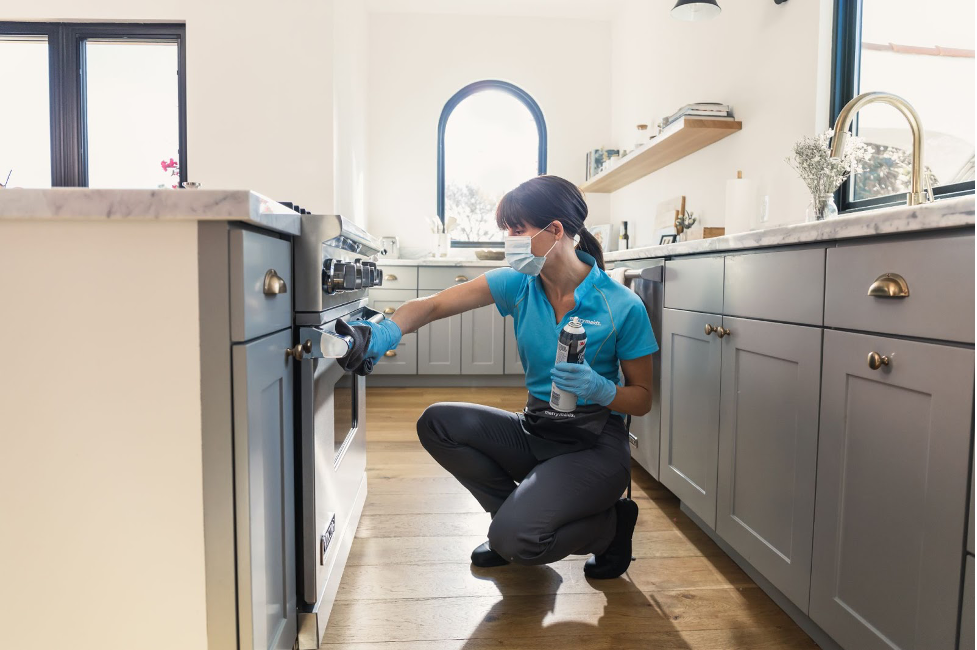
Wipe down surfaces, clear lint filters, and routinely clean refrigerator coils. Dishwashers run better when filters are rinsed and spray arms are unclogged. For ovens, a quick wipe after use prevents grime build-up that can eventually damage heating elements.
Proper Usage to Avoid Unnecessary Strain
Follow manufacturer instructions for load sizes, recommended detergents, and settings. Overloading or underfilling machines makes them less efficient and increases wear. And always let appliances finish cycles fully, interrupting processes can confuse sensors and electronics.
Keeping Appliances Well-Ventilated and Cool
Heat is the enemy of longevity. Ensure air can circulate around refrigerators, dryers, and other major appliances. Avoid packing storage too tightly around units, and keep vents unobstructed.
Preventative Maintenance Strategies That Save Money
Investing a little time now pays off by reducing big repair bills later.
Scheduling Routine Inspections and Tune-Ups
An annual checkup by a qualified technician can catch small issues before they become critical. Many companies offer affordable service calls that include cleaning, calibration, and part checks.
When and How to Replace Parts Before Failure
Sometimes, a worn-out hose or a frayed cord is all that stands between smooth operation and a water-damaged floor. Replace these parts at the first sign of damage. Some replacements, like light bulbs or filters, are easy DIY jobs, while others demand professional expertise.
DIY Fixes vs. Professional Repairs: Knowing the Limits
Clearing a clogged vent or swapping a water filter is one thing; poking around gas lines or complex electronics is another. If you’re ever unsure, it’s best to reach out for expert help. For Ottawa residents, Honest Guys appliance repair brings trusted experience in diagnosing and fixing everything from fridges to dishwashers.
Choosing Reliable Repair Services: What Should You Look For?
The right professional can make all the difference between a quick fix and a recurring issue.
Signs of a Trustworthy Appliance Repair Company
Look for companies that offer upfront quotes, transparent policies, and positive reviews. Longevity in the business and a willingness to turn down unnecessary repairs are strong markers.
Questions to Ask Before Scheduling a Repair
Ask about service call fees, warranty on parts and labor, and whether technicians are experienced with your appliance brand. Find out how they handle follow-ups if issues persist.
The Value of Service Guarantees and Warranties
A company that stands behind its work will offer clear guarantees. A 90-day warranty on parts and labor, for instance, adds peace of mind.
Quick Fixes and Care Tips for Common Appliances
Every appliance has quirks, but a few universal practices can make a big difference.
Extending the Life of Your Refrigerator
Clean coils twice a year, keep door seals tight, and avoid overstuffing shelves so air circulates well.
Maintaining Washers and Dryers for Longevity
Always empty lint trays, wipe gaskets, and check hoses for leaks. Leave washer doors open after use to prevent mold.
Stove and Oven Care Essentials
Wipe up spills quickly, avoid using foil to block vents, and check burners for clogs. For gas stoves, have connections inspected annually.
Keeping Dishwashers Running Smoothly
Remove and rinse filters monthly, clear spray arms, and run a vinegar wash occasionally to break down mineral buildup.
Actionable Steps to Implement Today
A little organization now makes care far easier down the road.
Creating a Home Appliance Maintenance Schedule
Set a calendar reminder for monthly and annual tasks. A checklist on your fridge can help keep everyone accountable.
How to Document Repairs and Service History
Log major repairs, part replacements, and service visits in a notebook or digital file. This record helps troubleshoot recurring issues or make warranty claims.
Tips for Educating Household Members on Appliance Care
Make sure everyone knows the basics: don’t overload washers, empty lint filters, and handle controls gently. Share maintenance tips in a visible spot in your home.
When Replacement Becomes the Best Option
Sometimes, even the best care isn’t enough and a replacement is inevitable.
Evaluating Repair Costs vs. Buying New
If a repair will cost more than half the price of a new appliance, or if your unit is near the end of its expected life, replacement is often the smarter choice.
Eco-Friendly Disposal and Recycling Tips
Many municipalities offer recycling for appliances, and some retailers will haul away your old unit when you buy new. Don’t send it to the landfill if you can help it.
Choosing Energy-Efficient Appliances for the Future
When it’s time to upgrade, look for Energy Star ratings to save on both utility bills and environmental impact. Choose sizes that fit your household needs, bigger isn’t always better.
By adopting smart habits, knowing when to call in the pros, and staying proactive about maintenance, your appliances will serve you longer, cost you less, and keep your home running smoothly.