Floating Dock Planning for Waterfront Restaurants and Event Spaces
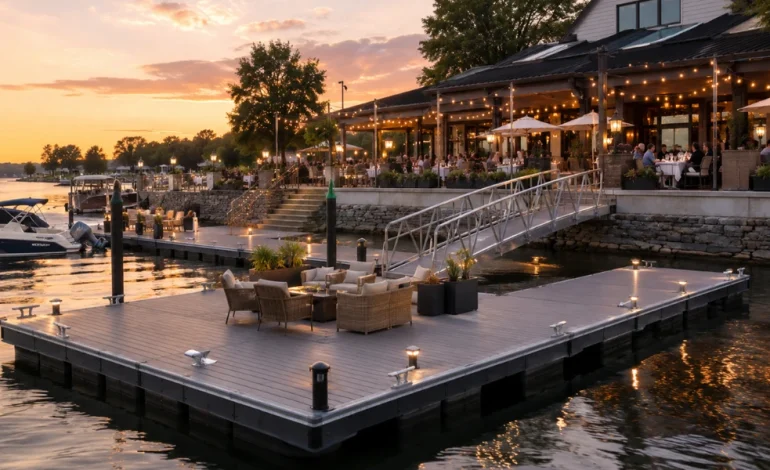

A waterfront restaurant or event space already has something special. The view does a lot of the work. People like sitting near the water, watching boats pass, and feeling a little removed from everyday life.
A floating dock can make that experience even better.
It may give guests a place to arrive by boat, take photos, wait for a table, or step closer to the water. It can also support small events, private gatherings, and waterfront activities. Still, planning one is not as simple as placing a platform in the water.
The dock needs to be safe, easy to use, and suited for the property. It should also fit the way the business operates each day.
Start With the Main Purpose
Before choosing materials or layouts, decide what the dock will actually do.
Some restaurants only need a small docking area for guests arriving by boat. Others want space for several vessels, waterfront seating, live music, or private events.
A dock designed for quick boat access will look different from one used for weddings or cocktail gatherings.
It helps to ask a few basic questions:
- How many boats may arrive at once?
- Will guests gather on the dock?
- Will staff carry food or supplies across it?
- Will the dock be used at night?
- Are large events expected?
- Does the space need to support vendors or equipment?
The answers shape almost every part of the design. It seems simple, but this step is sometimes rushed.
Study the Water Conditions
Every waterfront site behaves differently.
Water depth, waves, tides, currents, and boat traffic all matter. A quiet canal may need a different system than a busy marina or open waterfront area.
Floating docks move with changing water levels, which is one reason they work well in many locations. Still, too much movement can make guests uncomfortable. A dock that rocks under normal foot traffic may not work well for serving food or hosting events.
The anchoring system must match the site. Pilings, cables, anchors, or guide systems may be used depending on the conditions.
Local weather should also be part of the plan. Strong winds, storms, and flooding can place heavy stress on the dock. In coastal areas, storm preparation is not an extra detail. It is part of the design.
Plan for Safe Guest Access
Guests should be able to reach the dock without feeling unsure.
Walkways need enough width for people to move in both directions. Railings may be required in certain areas. The surface should have good traction, even when wet.
Lighting is important too.
Soft lighting can make the dock feel inviting, but it should also show changes in height, edges, ramps, and boarding areas. Bright glare can make it harder to see the water, so placement matters.
Accessibility should be considered early. Ramps may need to meet slope and width rules. Since floating docks rise and fall, the ramp angle can change during the day. That is easy to overlook.
Emergency access should remain clear. Staff should know how to reach the dock quickly if someone falls, slips, or needs help boarding a boat.
Choose Materials That Fit the Setting
Dock materials affect appearance, maintenance, cost, and safety.
Composite decking is popular because it resists rot and often needs less upkeep than natural wood. It also comes in several colors and textures.
Wood has a warm, classic look. Many waterfront properties like it for that reason. However, it may need sealing, cleaning, and regular checks for splinters or loose boards.
Concrete floating docks are strong and stable. They may work well for busy locations, but they can be heavier and more costly.
Metal parts should resist corrosion. Saltwater can damage regular hardware faster than people expect. Marine-grade fasteners and fittings usually make more sense near coastal water.
The best choice is not always the most expensive one. It is the material that matches the location, use, and maintenance plan.
Think About Events and Daily Operations
A dock may look beautiful during a quiet afternoon. Things change when 80 guests arrive for an evening event.
Event planning should include weight limits, seating layouts, tables, decorations, sound equipment, and crowd movement. Electrical connections must be made for wet environments. Loose cords near water are clearly a bad idea, though they still show up sometimes.
Staff routes also matter.
Servers carrying trays should not have to squeeze past guests near the dock edge. Waste removal, deliveries, and cleaning should be planned without disrupting the customer experience.
It may be useful to create separate areas for boat arrivals and social gatherings. Mixing the two can cause crowding, especially when passengers are stepping on or off vessels.
Check Permits and Waterfront Rules
Floating dock construction often requires approval from local or state agencies. Rules may cover dock size, waterway access, environmental impact, setbacks, lighting, and navigation.
Permit needs can change based on the property and type of waterway. A dock used for business purposes may also face different requirements than a residential dock.
It is better to review these rules before finalizing the design. Redrawing an entire plan later can cost time and money.
Make Maintenance Part of the Plan
A commercial dock needs regular care.
Boards, floats, railings, cleats, ramps, anchors, and electrical parts should be checked often. Busy restaurants may need more frequent inspections because the dock is used by many people.
Cleaning also matters. Food spills, bird waste, leaves, and algae can make surfaces slippery.
A maintenance schedule keeps small issues from becoming larger ones. It is not the most exciting part of dock ownership, but perhaps it is one of the most important.
A well-planned floating dock can improve access, add event space, and make a waterfront property feel more complete. The best designs are not just attractive. They work safely, handle changing water conditions, and support the way guests and staff use the space every day.
This post was written by a professional at Supreme Marine Floating Docks. Supreme Marine Floating Docks is dedicated to providing top-quality floating docks and marine accessories that combine durability, innovation, and superior performance. While we are a new brand, our team brings over 50 years of combined industry experience, making us trusted marina contractors Miami. We are passionate about designing and delivering products that meet the highest standards, ensuring reliability and longevity in all marine environments. Whether for residential, commercial, or recreational use, our docks are crafted with precision and care, setting a new benchmark in the industry. At Supreme Marine, we don’t just build docks-we create lasting solutions.