How to Choose the Right Pump for Your Garden Pond or Water Feature
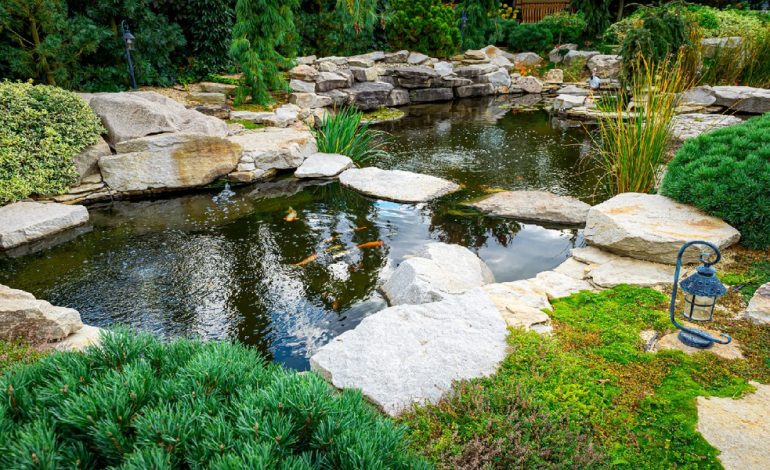

A pond pump is the engine of any healthy garden pond or water feature. It keeps water circulating through the filtration system, maintains oxygen levels, and drives fountains, waterfalls, and streams. Get the specification right and the pond will remain clear and healthy with minimal intervention, but if you get it wrong the consequences range from persistently cloudy water and struggling fish through to a pump that fails early because it was never suited to the demands placed on it.
This guide covers the key decisions involved in choosing the right pump for a UK garden pond or water feature.
Start With Pond Volume and Turnover Rate
Every pump specification starts with the volume of water in the pond. The pump needs to circulate the entire pond volume through the filter within a defined period: at least once every two hours for an ornamental pond, and at least once per hour for a pond containing fish. To calculate the minimum flow rate required, divide the pond volume in litres by the desired turnover time in hours. This gives the litres per hour output the pump must deliver at the actual head conditions of the installation, not at zero head. A comprehensive selection of pond and garden pumps from reputable brands covers the full range of flow rates and head ratings needed for domestic and garden applications.
Understanding Head Height
Head is the resistance the pump must overcome to move water through the system. It includes the vertical height the water must be lifted from the pump to the delivery point, plus the resistance introduced by pipework length, diameter, and any bends or fittings in the circuit. Pump flow rate figures are always quoted at zero head, meaning no resistance at all. In practice, every installation has some head, which reduces the pump’s effective output. Always check the pump’s rated flow at your installation’s actual head height using the manufacturer’s performance curve rather than relying on the headline zero-head flow figure.
Matching the Pump to the Application
Different pond and garden applications have different pump requirements:
- Filtration pumps run continuously and need to deliver consistent flow at the correct turnover rate; energy efficiency is a priority since running costs accumulate over a full season
- Fountain pumps need sufficient head to drive the jet to the desired height; the taller the fountain display, the higher the head rating required
- Waterfall and stream pumps require high flow at significant head; both the width of the weir and the height of the fall influence the pump specification needed to produce a full, even sheet of water
Some installations combine more than one function from a single pump. Where a pump must supply both a filter and a waterfall simultaneously, the specification must account for the combined flow requirement at the combined head of both circuits. This typically requires a considerably more capable pump than either duty alone would demand.
Fish Ponds and Koi Ponds
Ponds containing fish place higher demands on the pump and filtration system than purely ornamental water features. Fish produce waste continuously, and without adequate water turnover, ammonia and nitrite levels can rise to harmful concentrations within hours in warm conditions. The pump for a fish pond should turn over the full pond volume at least once per hour, with the flow rate delivered to the filter matching the filter’s rated capacity. Koi in particular carry a high bio-load and benefit from a pump that provides meaningful headroom above the minimum turnover rate as fish grow and the stocking level increases.
Running Costs and Efficiency
A filtration pump running continuously through the pond season represents a meaningful electricity cost. The watts per litre per hour efficiency figure is a useful comparison point when evaluating pumps of similar output. A pump that draws significantly more power than necessary for the flow rate it delivers will cost more to run over a season than a more efficient equivalent, often enough to offset the lower purchase price. Energy efficient models with EC (electronically commutated) motors offer the best running cost performance for continuous filtration duties.
Frequently Asked Questions
How do I calculate the right pump size for my pond?
Measure the pond volume in litres, divide by two for a twice-hourly turnover rate or by one for a fish pond, then match this figure to the pump’s rated flow at your installation’s actual head height rather than the zero-head peak figure.
Should my pond pump run continuously?
For fish ponds, the pump should run continuously during the warmer months to maintain oxygen levels; for ornamental-only water features without fish, a timer can be used to reduce running costs, but the pump should run for at least several hours each day to prevent stagnation.
Can I use one pump for both filtration and a waterfall?
Yes, but the pump must be sized to deliver adequate flow to both outlets simultaneously at their respective head heights, which typically means specifying a considerably more powerful pump than either duty would require on its own.
What is the difference between a pond pump and a general water transfer pump?
Dedicated pond pumps include a pre-filter strainer basket to protect the impeller from debris and are designed for continuous submerged operation; general water transfer pumps lack these features and should not be used as long-term pond filtration or circulation pumps.
Final Thoughts
Choosing the right pond pump is a straightforward process once the key parameters are established: pond volume, required turnover rate, actual head height, and the specific application the pump needs to serve. Taking the time to work through these figures before comparing products avoids the frustration of a pump that underperforms from day one.
For UK garden owners and pond builders sourcing pumps across the full range of outputs and applications, a specialist in garden pond pumps and water feature equipment offers the product range and technical guidance needed to get the specification right.