What Are the Key Maintenance Steps for Hollow Metal Entry Doors?
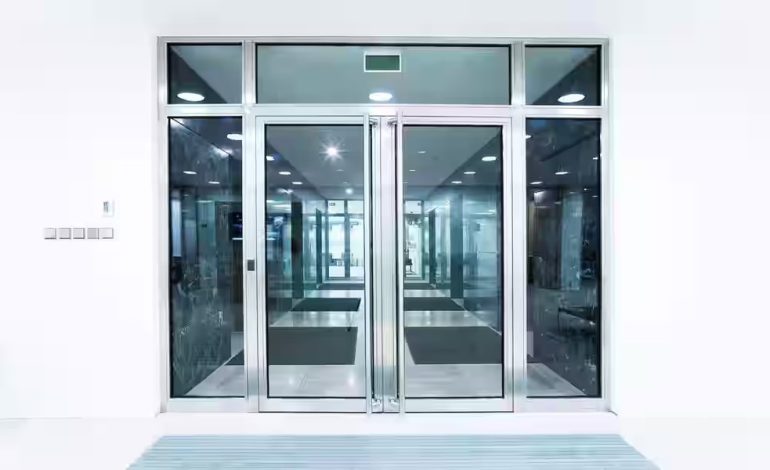

A neglected entry door can go from sturdy safeguard to costly liability faster than you think. For businesses and homeowners alike, hollow metal entry doors are prized for their strength, durability, and security. Yet, even the toughest doors demand care if you want them to protect your space year after year. So, what does smart maintenance actually look like?
Understanding Hollow Metal Entry Doors
What Are Hollow Metal Doors?
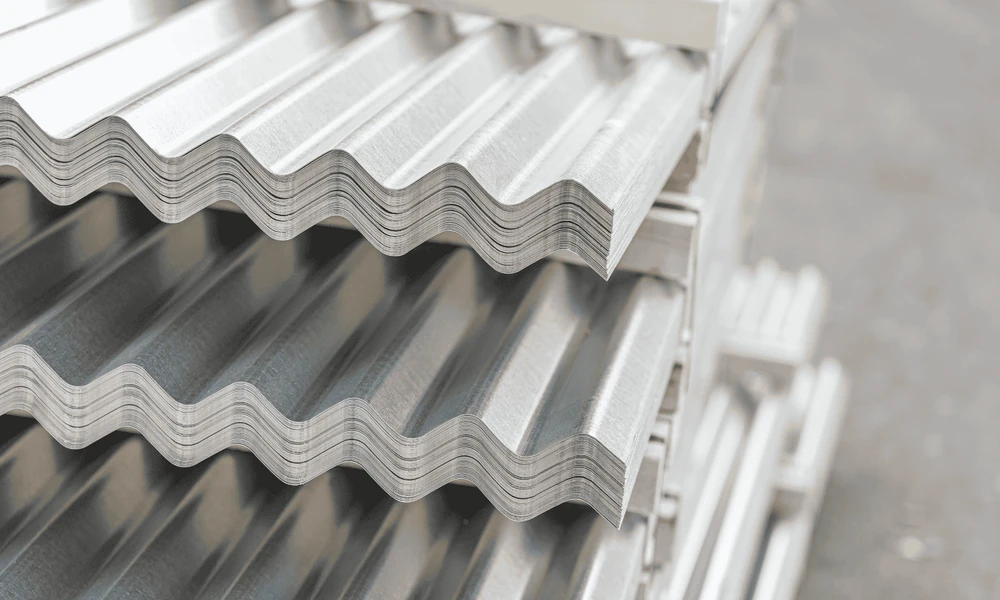
Hollow metal entry doors are engineered from steel or aluminum sheets, formed into a hollow structure and often filled with insulation or reinforcement materials. This design delivers impressive durability while keeping doors lightweight enough for everyday use.
Common Materials and Construction
Steel is the most common material, favored for its impact resistance and affordability. Aluminum options offer corrosion resistance and a lighter frame. The door’s core may be honeycomb cardboard, polystyrene, or mineral wool, all sealed inside the metal shell for stability and insulation.
Benefits of Hollow Metal Doors for Entryways
You get more than just a tough entrance. These doors are fire-rated for safety, easy to customize, and tough against forced entry. Their solid construction stands up to constant use, heavy traffic, and even the elements, if you give them regular attention.
Routine Inspection and Cleaning Practices
Visual Inspection: Identifying Wear and Damage
Walk around your entry doors and look for dents, scratches, rust spots, loose hardware, or warped frames. Pay close attention to hinges and the bottom edge where water and dirt collect. Early detection is your best defense against major repairs.
Cleaning Techniques for Steel and Aluminum Surfaces
Use a mild detergent mixed with warm water for routine cleaning. Avoid abrasive pads that can scratch the surface and invite corrosion. For aluminum, skip anything acidic; these cleaners can dull the finish.
Recommended Cleaning Products and Tools
Soft cloths, non-abrasive sponges, and pH-neutral cleaners are your best friends. After cleaning, wipe surfaces dry to prevent water spots and rust. For stubborn grime, try a gentle degreaser, always testing in a small spot first.
Addressing Rust and Corrosion Early
Spot a rust patch? Lightly sand the area, clean off debris, then touch up with a matching rust-inhibitive primer and paint. This quick intervention keeps corrosion from spreading beneath the paint.
Mechanical Maintenance for Optimal Operation
Lubricating Hinges, Locks, and Closers
A sticky hinge or grinding lock means it is time for lubrication. Use a silicone-based spray on moving parts. Skip oil-based lubricants, as they can attract dust and gum up over time.
Adjusting Door Alignment and Hardware
Doors that stick or drag may need hinge screws tightened or shims added. Check that locks latch smoothly and closers operate with steady resistance. Misaligned doors reduce both security and energy efficiency.
Servicing Automatic Door Components
If you have automatic openers, inspect safety sensors and keep moving parts clean. Look for exposed wires or sluggish motor performance. Minor issues caught early save headaches and money later.
Troubleshooting Common Mechanical Issues
Frequent slamming, resistance during opening, or slow auto-close can signal failing hydraulic closers or bent tracks. Address these promptly to avoid further damage or safety hazards.
Enhancing Security and Fire Safety Features
Maintaining Locksets and Exit Devices
Test your locks and panic bars regularly. Lubricate internal mechanisms and check for loose fasteners. Broken locks or devices undermine both safety and compliance with fire codes.
Inspecting and Testing Fire-Rated Door Components
Fire-rated doors have special gasketing, labels, and hardware. Inspect these features for wear, and schedule annual fire door inspections as required by building codes.
Upgrading Security Hardware Without Compromising Integrity
If enhancing security, use only hardware approved for hollow metal doors. Over-tightening screws or drilling new holes can weaken the frame, reducing fire and security ratings.
Weatherproofing and Environmental Protection
Sealing and Weatherstripping Maintenance
Check weatherstripping along edges for cracks or gaps. Replace as needed to prevent drafts, energy loss, and water intrusion.
Preventing Water Infiltration and Air Leaks
A close-fitting threshold and properly adjusted sweep keep water and cold air out. Inspect these regularly, especially after harsh weather.
Protective Coatings and Paint Touch-ups
Paint isn’t just for looks; it shields metal from moisture and UV damage. Touch up chips and scratches with exterior-grade paint to keep rust at bay.
When and How to Schedule Professional Servicing
Signs You Need Expert Repair or Replacement
If you notice chronic leaks, persistent alignment problems, or structural damage, it is time to call in professionals. Security upgrades and fire door inspections are best left to those with experience.
What to Expect During a Professional Maintenance Visit
Professionals will inspect, lubricate, adjust, and test all moving parts. They can also identify hidden issues in frames, seals, or automation systems that may not be obvious to the untrained eye.
Leveraging Manufacturer Warranties and Service Plans
Many doors, such as Door Doctor hollow metal entry doors, come with service options and warranties. Taking advantage of these programs can extend the lifespan of your entry doors while ensuring code compliance and safety.
A little consistent care keeps hollow metal entry doors protecting what matters most. With routine checks and timely repairs, you can count on your doors to stand strong season after season.