How to Dress Bedroom Windows for a Cozy, Sleep-Friendly Ambiance

Bedrooms are different from every other room in the home.
A living room may need to entertain. A kitchen may need to function efficiently. But a bedroom is meant to soften the nervous system. It should feel quieter, dimmer, gentler – a place where the body instinctively understands it can finally rest.
And yet, many bedrooms struggle to create that feeling.
The furniture may be beautiful, the bedding expensive, the walls freshly painted, but the room still somehow feels exposed or emotionally restless. Often, the problem begins with the windows. Harsh streetlight slips through thin curtains. Morning sunlight arrives too aggressively. Bare blinds make the room feel cold and unfinished. The atmosphere never fully settles.
Designers understand that bedroom windows shape far more than aesthetics. They control light, privacy, softness, insulation, and even the emotional rhythm of the room itself. The right window treatments can make a bedroom feel cocooning and deeply calming, while the wrong ones can quietly disrupt sleep every single night.
The most comforting bedrooms are rarely built through dramatic décor choices. Instead, they rely on layers – soft fabrics, filtered light, muted textures, and thoughtful insulation that make the room feel protected from the outside world.
And nowhere is that layering more important than around the windows.
Curtains Are What Give Bedrooms Emotional Softness
One of the reasons bedrooms sometimes fail to feel restful is because the windows remain visually harsh. Bare glass, thin blinds, or undersized curtains can make the room feel emotionally exposed, particularly at night when windows turn dark and reflective.
Curtains soften this immediately.
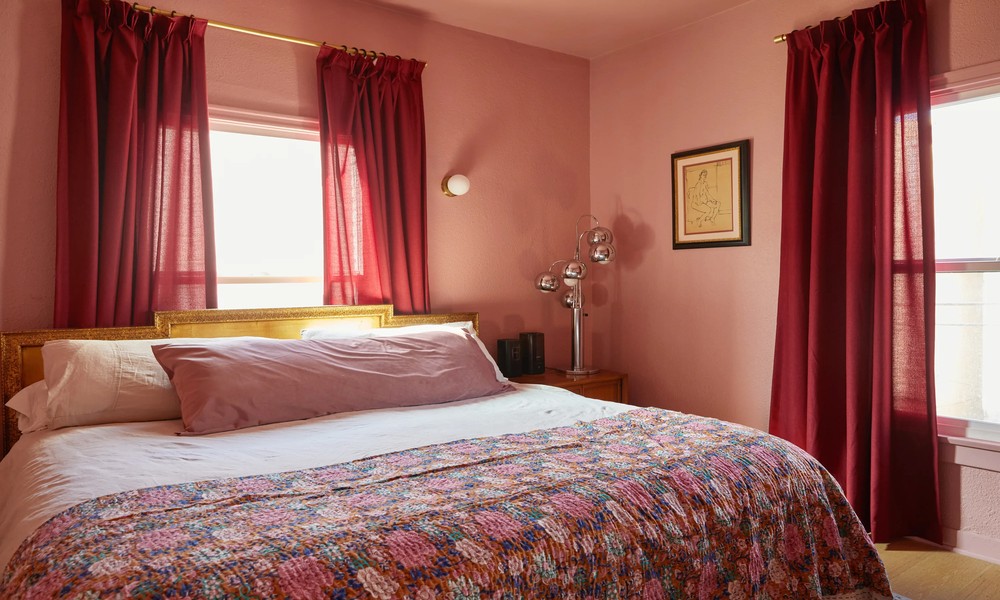
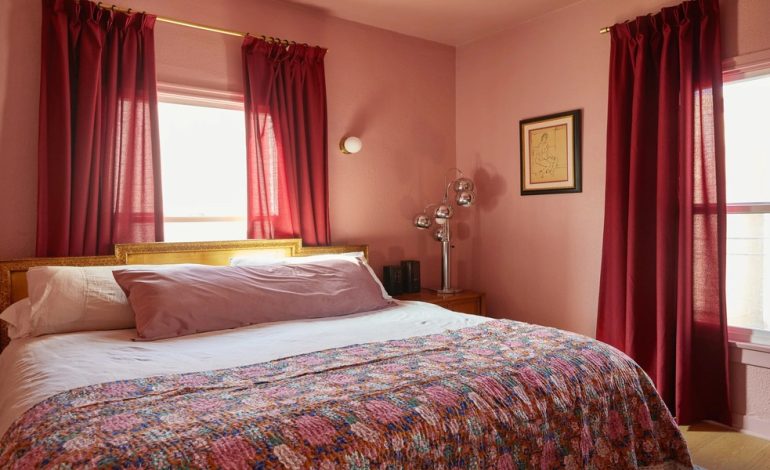
Long drapery introduces movement, warmth, and visual quietness into a bedroom in a way few other elements can. Fabric absorbs sound, filters light, and softens the harder architectural edges of the room, creating a gentler atmosphere almost instantly.
Designers often prefer floor-to-ceiling custom curtains in bedrooms because they make the room feel more enveloping. The vertical lines also create elegance while helping the windows feel integrated into the architecture rather than isolated openings in the wall.
Fabric choice matters enormously here. Bedrooms benefit from materials that feel tactile and calming rather than overly stiff or formal. Linen blends, brushed cotton, velvet, and softly textured weaves all create a sense of comfort because they interact beautifully with light and movement.
Heavier fabrics often work especially well in bedrooms because they create psychological warmth and improve insulation at the same time. Velvet curtains, for example, absorb both sound and light beautifully, making the room feel quieter and more cocooned during colder months.
The goal is not theatrical luxury. It is softness.
Layering Window Treatments Creates Better Sleep Conditions
Designers rarely rely on one single layer at bedroom windows because bedrooms need flexibility throughout the day and night.
Morning light may feel beautiful at breakfast but unbearable at 6 AM on a Sunday. Complete blackout conditions may help sleep, yet heavy opaque coverings can feel oppressive during the afternoon. Layering solves this problem elegantly.
One of the most effective combinations is pairing curtains with custom roman shades or blackout rollers hidden behind softer fabric panels. During the day, linen romans or woven shades filter sunlight gently while maintaining privacy. At night, blackout layers create the darkness necessary for deeper sleep.
This layered approach makes the room feel far more luxurious because the bedroom can respond to changing needs naturally throughout the day.
And importantly, layered windows also improve acoustics and insulation. Bedrooms become quieter once multiple fabric surfaces absorb outside sound rather than reflecting it. Drafts soften. The room feels warmer in winter and calmer overall.
This is one reason boutique hotels often feel so restful. Their window treatments are designed not only for beauty but for sensory comfort.
Blackout Does Not Have to Feel Heavy
Many people associate blackout curtains with bulky, unattractive fabric, but modern sleep-friendly window treatments can remain soft and elegant while still blocking light effectively.
Designers often hide blackout linings behind more beautiful outer fabrics so the room maintains warmth and texture during the day. Linen curtains with blackout backing, for example, still feel airy and relaxed visually while creating deep darkness at night.
Roman shades can also be lined discreetly for better light control without adding visual heaviness to the room.
This matters because bedrooms should feel calming, not cave-like.
The best sleep-friendly interiors balance darkness with softness. The room should feel protected from outside light without becoming visually oppressive or overly sealed off from the world.
Warm Lighting Matters Just as Much as the Curtains
Even beautifully dressed windows cannot create a restful atmosphere if the bedroom lighting remains harsh.
Bedrooms should never feel aggressively bright at night. Overhead lighting alone often flattens the room and removes the softness necessary for relaxation. Designers usually rely on layered lighting instead – bedside lamps, sconces, dim warm bulbs, and softer pools of ambient light that create a gradual transition toward rest.
This changes how the entire room behaves in the evening.
Curtains begin glowing softly instead of appearing flat. Textures become more noticeable. The bedroom feels quieter emotionally because the lighting no longer overstimulates the space.
Warm bulb temperature matters enormously too. Cooler white lighting can unintentionally signal alertness to the brain, while warmer light supports a calmer atmosphere more naturally.
And interestingly, curtains themselves contribute to this softness by diffusing artificial light gently throughout the room.
Texture Makes Bedrooms Feel More Cocooning
One reason some bedrooms still feel cold even after decorating is because there is not enough tactile softness layered throughout the space.
Bedrooms should feel different from the rest of the house. Softer. Quieter. More insulated emotionally.
Window treatments contribute heavily to this because fabric is one of the largest sources of texture within the room. Layered curtains beside upholstered headboards, woven shades above linen bedding, and soft rugs underfoot all work together to create a cocooning effect.
This is especially important in modern homes where architecture may already contain many hard surfaces. Glass, painted walls, wood flooring, and minimal furniture can easily make bedrooms feel acoustically sharp without enough fabric to soften the environment.
Texture absorbs that harshness.
The room begins feeling calmer not because more décor has been added, but because softness has been layered more intentionally.
Privacy Is Part of Comfort
A truly restful bedroom needs privacy.
Even subtle exposure – neighbouring windows, streetlights, visible movement outside – can prevent the nervous system from fully relaxing, particularly at night. Designers often think about privacy psychologically as much as practically.
Sheer curtains layered beneath heavier drapery work beautifully because they allow daylight to remain soft and filtered while still creating a sense of separation from the outside world. Woven shades also provide warmth and privacy simultaneously without making the room feel closed off.
The best bedroom window treatments create a feeling of retreat.
Not isolation necessarily, but protection.
The Most Restful Bedrooms Feel Gentle
The bedrooms people sleep best in are rarely the most dramatic ones.
They are the rooms where light feels soft in the morning, curtains move gently in the evening air, fabrics absorb sound quietly, and the windows no longer feel harsh or exposed after dark.
A softly lined Roman shade filtering afternoon sunlight. Velvet drapery making the room quieter in winter. Warm bedside lighting glowing against textured linen curtains. These details may seem small individually, yet together they shape how the body experiences the room every single night.
Because ultimately, cozy bedroom design is not really about decoration.
It is about creating an atmosphere that allows people to fully exhale.
And beautifully dressed windows are often where that feeling begins.